
Hardy kiwi
Actinidia arguta (Sieb. & Zucc.) Planch.
Description
Sowing dates
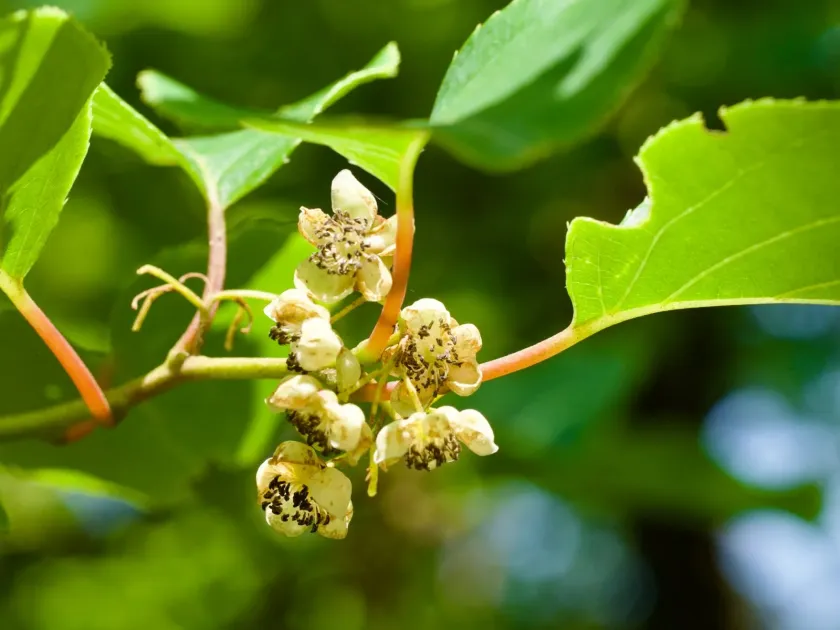
Hardy kiwi (Actinidia arguta) is a robust, deciduous woody vine belonging to the Actinidiaceae family. Unlike the common fuzzy kiwi, this species is highly cold-tolerant, capable of surviving temperatures as low as -30°C in its native East Asian forests.
Planting is best performed in early spring once the danger of severe frost has passed. Because these vines are dioecious, you must plant both male and female plants to ensure pollination; typically, one male can pollinate up to five or six female vines.
The vine originates from the temperate regions of Japan, Korea, and the Russian Far East. Its vigorous growth habit makes it an excellent choice for vertical gardening, provided it is supported by a strong, durable trellis system.
Propagation is primarily achieved through softwood cuttings or layering. These methods ensure that the offspring retain the exact genetic characteristics and fruit quality of the parent plant, which is crucial for consistent yields.
In addition to their culinary appeal, these vines serve as attractive ornamental features. Their lush foliage and climbing ability make them perfect for covering arbors, pergolas, and fences in a home garden or orchard setting.
Growing requirements
Hardy kiwi thrives in locations with partial to full sun. While they can tolerate some shade, maximum fruit production is achieved when the vines receive at least 6–8 hours of direct sunlight per day.
The soil must be fertile, rich in organic matter, and well-draining. Actinidia arguta dislikes "wet feet," so avoiding low-lying areas where water pools is essential to prevent root rot and ensure long-term vine health.
The plants prefer a slightly acidic soil pH, ideally between 5.0 and 6.5. In alkaline conditions, the leaves often display signs of iron chlorosis, which can be corrected by applying chelated iron supplements.
Regular irrigation is vital during the growing season. The plant has a shallow root system, meaning it can suffer quickly during dry spells; applying a layer of organic mulch helps retain moisture and regulate soil temperature.
Balanced fertilization is key to growth. Apply nitrogen-rich fertilizers in early spring to encourage vegetative expansion, then switch to phosphorus and potassium-heavy feeds in late summer to prepare the wood for winter.
Yield
Hardy kiwi vines typically reach maturity and begin producing significant crops between the 4th and 8th year after planting. Early years should focus on structural training rather than heavy fruit production.
A well-maintained, mature vine can yield anywhere from 10 to 30 kilograms of fruit per season. Yield potential is influenced significantly by the choice of cultivar, the age of the vine, and the efficiency of the pruning program.
Pruning is the most critical aspect of managing yield. Winter pruning involves removing excess wood, while summer pruning maintains the shape and improves airflow, ensuring that fruit clusters receive enough light to ripen properly.
Because the berries ripen unevenly throughout the season, harvesting is usually a multi-step process. Vigilance is required to ensure that the fruit is picked at the correct stage before it drops to the ground and sustains damage.
The fruit, often marketed as "kiwi berries," is small, smooth-skinned, and entirely edible. Their high sugar content and unique flavor profile make them increasingly popular for both fresh market sales and artisanal food processing.
Main diseases and pests
Hardy kiwi is generally resistant to many pests but remains vulnerable to spring frost. Late frosts can kill new tender shoots, significantly reducing the year's harvest; protective covers or frost blankets are often used as a safeguard.
Fungal issues such as leaf spot can occur if the foliage remains wet for extended periods. Proper training and pruning are the best defenses, as they increase ventilation and allow the leaves to dry quickly after rain.
Cats are a notorious pest for young hardy kiwi vines. They are strangely attracted to the scent of the plant and may dig up roots or shred the bark, so protecting new transplants with wire mesh is highly recommended.
Insects like Japanese beetles or leafrollers may occasionally cause minor damage. In a domestic setting, manual removal or the application of organic biological controls is usually sufficient to keep populations in check.
Overall, healthy plants are very resilient. Maintaining high soil fertility and ensuring consistent, but not excessive, watering will allow the vine to naturally fend off most minor infestations and environmental stressors.
Harvesting
Harvesting usually takes place in late summer or early autumn. The berries are ready when they feel slightly soft to the touch and exhibit the color characteristic of the specific variety.
Because the fruit is delicate, it should be handled with care to prevent bruising. Use shallow crates or baskets for collection to avoid crushing the fruit, which can happen if they are piled too high.
To extend shelf life, berries can be harvested while still firm. They will continue to ripen post-harvest if stored in a cool, dark environment, offering a longer window for consumption and sale.
Cold storage at temperatures between 2°C and 5°C allows the fruit to be kept for several weeks. This durability makes them much easier to market than other soft berry crops that spoil within days.
Once the season ends, ensure that all plant debris is cleared from the base of the vine. Removing fallen leaves helps prevent the overwintering of pathogens that could threaten the crop in the following year.