
Tapirira mexicana
Tapirira mexicana
Description
Growing requirements
Tapirira mexicana is a significant species belonging to the Anacardiaceae family, sharing taxonomic traits with commercially vital crops like cashew and mango. This tropical tree species is native to the diverse forest regions of North and Central America.
The plant thrives in warm, humid climates and is highly sensitive to frost. It requires well-drained, nutrient-rich soils to support its substantial biomass development throughout its long growth cycle.
For successful cultivation, producers must ensure regular rainfall patterns or supplemental irrigation during the dry season. The species prefers deep, fertile ground, which allows its extensive root system to anchor firmly.
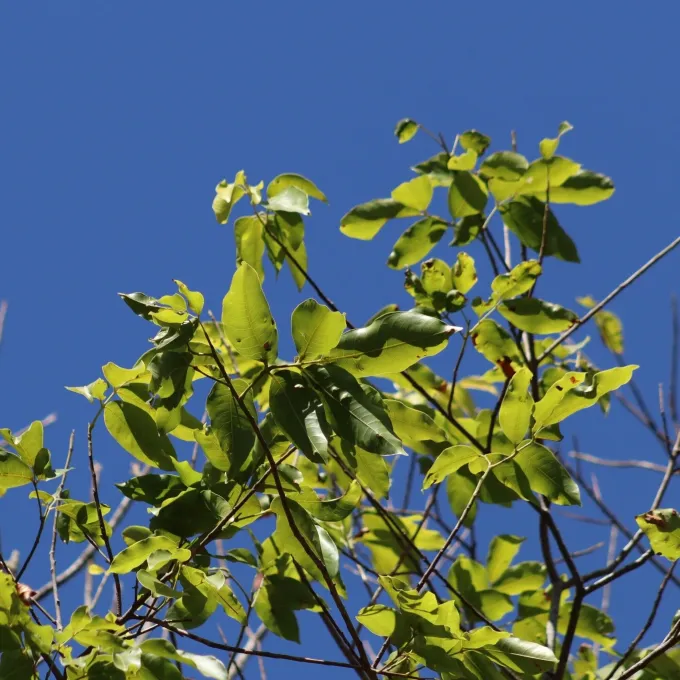
The botanical structure of Tapirira mexicana includes pinnate leaves and small clustered flowers that develop into drupe-type fruits. This structural arrangement is characteristic of its family, contributing to its ecological role.
Economically, the tree is recognized for its timber and potentially edible fruit production. It is increasingly studied for its contribution to agroforestry systems, where it helps maintain soil stability and local biodiversity.
Main diseases and pests
The primary threats to the health of Tapirira mexicana involve fungal pathogens, particularly those affecting the root system during waterlogged conditions. Proper irrigation management is vital to preventing root decay.
Various insect pests, including wood-boring beetles and foliage-eating insects, pose a continuous threat. Regular scouting is essential to identify early infestations and prevent significant canopy damage.
Foliar diseases, often manifesting as leaf spots, are common in regions with prolonged humidity. Implementing proper spacing between trees enhances air circulation, which is a key preventive measure.
Stems and trunks can be vulnerable to physical damage or secondary infections if the bark is compromised. Maintaining plant vigor through optimal nutrition helps the tree defend itself against opportunistic pathogens.
In intensive production areas, monitoring for invasive insects is a standard requirement. Integrated pest management (IPM) strategies are recommended to minimize chemical input while protecting the crop.