
Tapirira guianensis
Tapirira guianensis
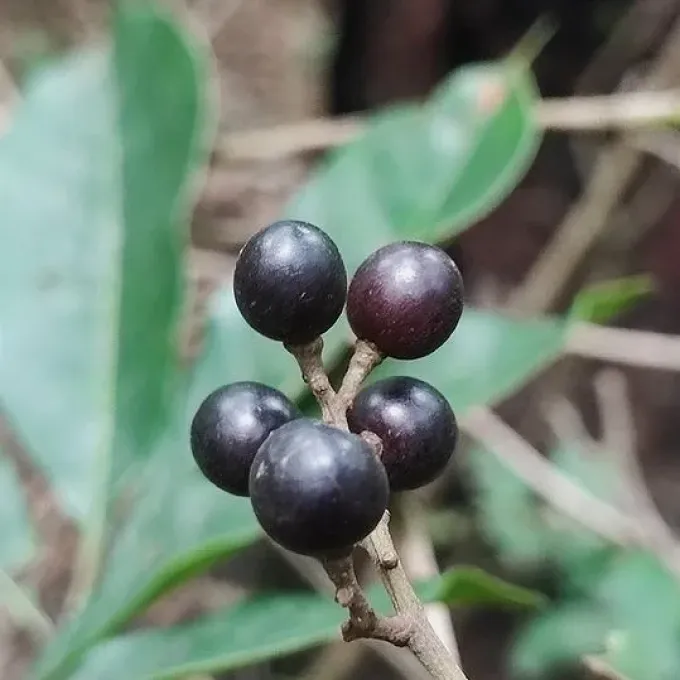
Description
Growing requirements
Tapirira guianensis is a prominent species within the Anacardiaceae family. It is a robust evergreen tree naturally distributed across the diverse tropical landscapes of Central and South America.
The cultivation of this species requires deep, fertile, and well-drained soils. While it exhibits a certain degree of soil adaptability, it thrives best in environments rich in volcanic or organic matter.
Climatic requirements focus on tropical conditions with stable high temperatures throughout the year. The tree requires significant annual precipitation to maintain its rapid growth rate and foliage density.
Sunlight exposure is crucial for the development of healthy timber specimens. Young plants are relatively shade-tolerant, making them suitable for enrichment planting within existing forest systems.
Standard agronomic practices involve maintaining clean ground areas around the base and implementing light pruning to improve the structural integrity and growth trajectory of the main stem.
Yield
The economic utility of Tapirira guianensis is extensive, with its primary value derived from its versatile timber qualities.
The wood is highly regarded for its moderate density, making it suitable for furniture production, architectural millwork, and the construction of local rustic structures.
Beyond wood production, the tree plays a vital role in tropical agroforestry by providing a stable food source for avian populations and supporting overall biodiversity.
Traditional medicinal applications of the bark extracts demonstrate potential in dermatological care, highlighting the tree's value in ethno-botanical studies and research.
The species serves as an excellent nectar source for bees, contributing significantly to the honey production industry within its native tropical regions.
Main diseases and pests
The species is susceptible to various root rot pathogens if the soil conditions become waterlogged, leading to the collapse of the root system.
Insect pests such as wood-boring beetles present a consistent threat to the overall vitality of the tree, potentially causing significant degradation of the trunk quality.
Fungal infections of the leaves and stems often occur in environments with low air movement and high humidity, necessitating proper plantation management.
Integrated pest management strategies are recommended, focusing on maintaining tree vigor and environmental sanitation to reduce the likelihood of heavy infestations.
Early identification of signs such as chlorosis or unusual sap exudation is key to implementing effective treatment and ensuring the survival of the plantation.