
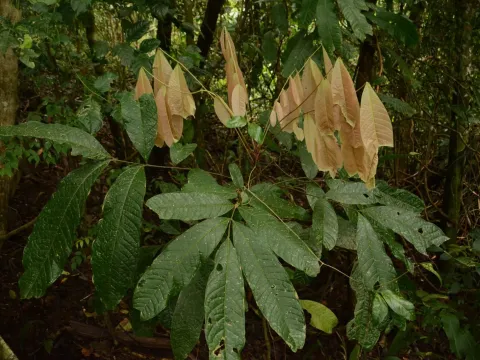
Talisia
Talisia
Talisia is a genus of evergreen trees and shrubs belonging to the Sapindaceae family. These plants are native to the tropical regions of Central and South America and are known for their adaptation to warm, humid environments typical of rainforest ecosystems.
What the section contains

Talisia
The cultivation of Talisia requires a tropical climate with high, stable temperatures throughout the year. The plants do not tolerate frost or cold snaps, and any temperature drop below the optimal threshold can lead to severe stress or even the death of the tree.
Soil requirements for Talisia include well-draining, fertile ground that is slightly acidic to neutral in pH. The tree is highly sensitive to waterlogging, so planting on sites with a high water table should be avoided to prevent root system suffocation.
Adequate moisture is essential for development, but it must be managed carefully. Consistent rainfall or controlled irrigation is necessary, particularly during the flowering and fruit-setting stages, to ensure the crop quality and prevent premature fruit drop.
Horticultural management involves regular pruning to shape the canopy and improve airflow, which is critical for reducing humidity-related disease risks. Nutrients should be supplied via balanced fertilizers adapted to the soil composition of the specific growing region.
Talisia is primarily cultivated for its edible fruits, which are esteemed for their juicy, sweet-and-sour pulp. While the fruit size may vary by species, they generally have high consumer appeal in local tropical markets.
Production cycles start when trees reach maturity, typically ranging from 5 to 8 years post-planting. Yields can be significant, but they rely heavily on proper canopy management and the availability of essential macro- and micronutrients during the vegetative cycle.
One of the challenges in commercial Talisia production is the short post-harvest shelf life. To maximize economic return, the fruit must be harvested at the correct maturity stage and transported to distribution centers or processing facilities as quickly as possible.
In addition to fresh consumption, the fruits are suitable for processing into beverages, jams, and various culinary products. This adds value to the harvest and provides farmers with opportunities to diversify their income streams through processed goods.
Continued research into high-yielding varieties and optimized agricultural practices can further improve the feasibility of Talisia as a profitable crop for tropical orchardists and agroforestry projects.
Common pests affecting Talisia include scale insects and mealybugs, which tend to congregate on young shoots and leaves. These sap-sucking insects can significantly weaken the tree if infestations are left unchecked, leading to stunted growth.
Fungal pathogens are a major threat, particularly during the rainy season when humidity levels are high. Anthracnose and various leaf spot diseases can damage foliage and fruit, requiring proactive monitoring and potential fungicide applications.
Root rot is a critical threat often caused by poor drainage or overwatering. This issue is difficult to manage once established, making preventative measures such as site selection and soil aeration essential for long-term tree health.
Leaf miners can cause visible damage to leaf tissues, reducing the tree's photosynthetic efficiency. Integrated Pest Management (IPM) practices, including the use of biological controls, are recommended to maintain tree vigor without excessive chemical intervention.
Effective orchard management requires a strict sanitation program, including the removal of infected plant debris and regular inspection of the trees. Maintaining a healthy balance in the local ecosystem helps manage pest populations naturally.