
Pitomba
Talisia esculenta Radlk.
Description
Growing requirements
Talisia esculenta, commonly known as Pitomba, is a tropical fruit tree belonging to the Sapindaceae family. Originally native to the Amazon basin, this species is well-adapted to the hot and humid conditions of tropical lowland forests where it thrives in rich, biodiversity-heavy environments.
The cultivation of this crop requires a strictly tropical climate with temperatures that never drop below freezing. Pitomba trees are sensitive to cold spells, and prolonged exposure to low temperatures can permanently damage the foliage and inhibit the tree's ability to produce fruit in subsequent seasons.
The ideal soil for Pitomba should be deep, well-draining, and rich in organic matter. While the tree can tolerate various soil textures, it performs best in slightly acidic to neutral soils that do not suffer from waterlogging, as the roots are prone to decay if kept in constantly saturated ground.
Sunlight exposure is crucial for the development of healthy trees. While young seedlings benefit from filtered light or partial shade to protect them from scorching, mature trees require full exposure to direct sunlight to maximize the photosynthetic process and support heavy fruit loads.
Agricultural management of Pitomba involves regular monitoring of soil hydration and moisture levels. Maintaining consistent soil moisture is vital during the flowering and fruit-setting stages, while ensuring that the area around the tree remains free of weeds to prevent competition for nutrients.
Yield
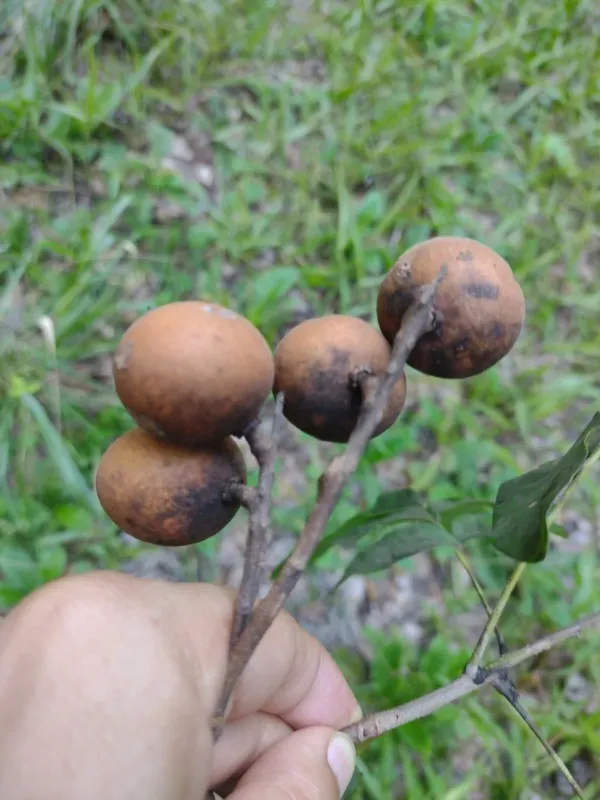
The fruit of the Pitomba tree is a small, round or oval drupe with a thin, smooth, and leathery skin. The flesh is translucent, juicy, and possesses a unique sweet-tart flavor profile, often compared to a blend of citrus and apricot, making it a highly desirable snack in its native regions.
Yield capacity is influenced by the tree's age, genetics, and site management. In mature, well-cared-for orchards, a single tree can produce a significant volume of fruit, contributing to local food security and providing a source of income for small-scale growers in the tropics.
Pitomba is primarily used for fresh consumption, but its culinary versatility allows it to be transformed into jams, jellies, juices, and various traditional desserts. The fruit is noted for its nutritional content, including healthy levels of vitamin C and essential minerals.
Harvesting is a manual process that requires careful handling, as the fruit's delicate skin can be easily bruised. Timing the harvest is critical; the fruit must be picked when it reaches its characteristic color, indicating it has achieved peak sweetness and readiness for consumption.
Given the perishable nature of the fruit, effective post-harvest management is necessary to extend its shelf life. Cold storage and rapid transport to markets or processing facilities are essential strategies to minimize losses and ensure the best quality for the end consumer.
Main diseases and pests
Pitomba trees are susceptible to common tropical pests, including mealybugs and scale insects. These pests feed on the sap of young stems and leaves, which can lead to stunted growth and reduced vigor, requiring integrated pest management practices to control populations effectively.
Fungal diseases are a persistent challenge in the humid environments where this crop is grown. Pathogens affecting the foliage and bark can spread rapidly under damp conditions, making canopy thinning and improved air circulation essential practices for maintaining orchard health.
Root-knot nematodes can also pose a serious threat to the vitality of the root system. Using certified healthy planting stock and maintaining optimal soil conditions can help mitigate the risk of nematode infestation and promote long-term resilience against soil-borne pathogens.
To keep orchards healthy, regular inspections and manual removal of infected branches are necessary. Sanitation in the orchard is paramount, as decomposing plant matter can harbor pests and diseases that might otherwise compromise the productivity of the entire stand.
Chemical control measures, when necessary, should be applied with caution to avoid disrupting beneficial insect populations, such as bees, which are essential for pollination. The use of biological pesticides combined with good cultural practices remains the most sustainable strategy for Pitomba protection.