
Tachigali versicolor
Tachigali versicolor
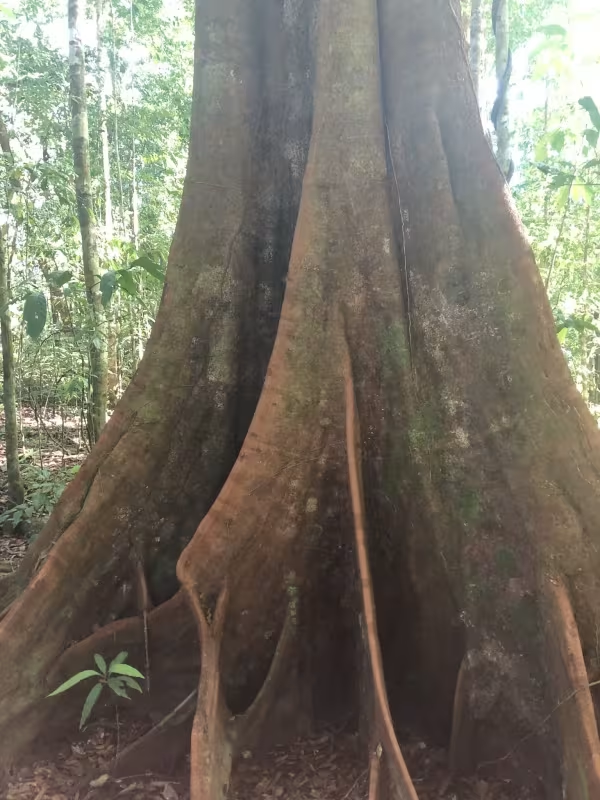
Description
Growing requirements
Tachigali versicolor is a fascinating member of the Fabaceae family, native to the tropical rainforests of Central and South America. It is famously known as a monocarpic species, meaning the individual tree grows for several years before producing flowers and seeds once, after which it dies.
This tree typically thrives in the complex environment of tropical forests, where it occupies the upper canopy. Its rapid growth rate allows it to emerge above the surrounding vegetation to capture maximum sunlight for its reproductive phase.
For successful cultivation, the species requires a climate with consistent high humidity and warm temperatures throughout the year. It does not tolerate prolonged frost or extreme cold, which can irreversibly damage the soft tissues of the plant.
Soil requirements involve deep, nutrient-rich substrates with excellent drainage. In nature, Tachigali versicolor benefits from the decomposed organic matter on the forest floor, which provides essential minerals for its vigorous growth.
Agricultural management of this species must account for its unique life cycle. Providing adequate space and ensuring a stable moisture regime are crucial for the tree to reach maturity and successfully complete its monocarpic reproductive cycle.
Main diseases and pests
The primary threats to this species include a range of herbivorous insects that can defoliate young trees if the natural symbiotic relationship with ants is disrupted.
Fungal pathogens pose a significant risk to the health of the root system, especially in agricultural settings where water drainage may be sub-optimal or where the soil is compacted.
Competition from aggressive invasive plant species can significantly stunt the growth of young Tachigali seedlings, preventing them from establishing themselves in the canopy layer.
Habitat fragmentation due to deforestation remains the most significant threat to the long-term survival of the species, as it relies on specific ecological conditions for seed dispersal.
Climate change, manifesting as altered rainfall patterns, can impact the tree's ability to maintain the necessary physiological status required to reach the late reproductive stage.