
Syncarpha vestita
Syncarpha vestita
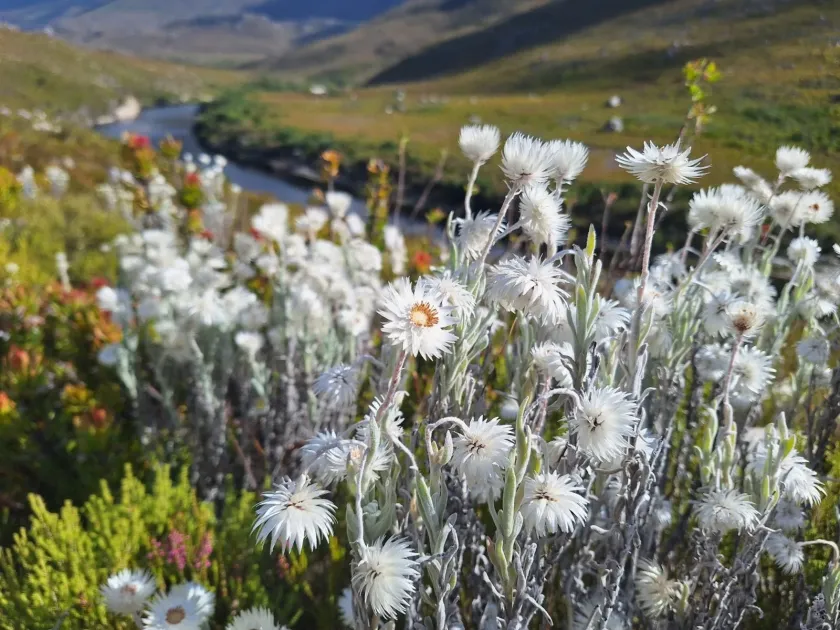
Description
Sowing dates
Syncarpha vestita is typically propagated by seeds sown during late winter or early spring. Using a well-draining, sandy seed-starting mix is critical to prevent damping-off diseases during the initial germination phase.
The seeds should be sown thinly and pressed gently into the surface of the soil. Maintaining a constant temperature range of 18 to 22 degrees Celsius is essential for optimal germination results within two to three weeks.
Once the seedlings are large enough to handle, they are transplanted into individual pots. This practice encourages the development of a strong root system, which is vital for the plant's future resilience in the garden.
Hardening off the seedlings is a necessary step before final planting. Gradually exposing the plants to outdoor conditions over a week helps them acclimatize to the direct sunlight and natural temperature fluctuations.
Planting outdoors should occur only after the danger of frost has passed. Spacing the plants 30 to 45 centimeters apart allows for adequate airflow, which is crucial for reducing the risk of fungal infections.
Growing requirements
This species is a member of the Asteraceae family and is native to the fynbos regions of South Africa. It thrives in nutrient-poor, acidic, and well-drained soils, mimicking its natural habitat.
Full sun is non-negotiable for Syncarpha vestita. Plants grown in shaded environments will exhibit weak, elongated stems and fail to produce the high-quality, dense flower heads required for commercial use.
Watering should be approached with caution. While young plants need regular moisture to establish, mature plants are highly drought-tolerant and prefer periods of dry soil to prevent root rot issues.
The soil should be kept light and friable. Heavy or compacted soils must be amended with grit or perlite to ensure the root zone remains aerobic and free-draining throughout the growing season.
High temperatures are generally well-tolerated, but the plant requires a location with good ventilation. Protecting the plants from stagnant air helps maintain the health of the foliage and flowers.
Main diseases and pests
The most common threat to Syncarpha vestita is root rot caused by stagnant water or excessively high humidity during the growth period. Prevention involves choosing elevated sites with excellent drainage.
Aphids and spider mites may occasionally infest the foliage, particularly in greenhouse conditions. Regular monitoring and integrated pest management strategies are recommended to maintain plant health.
Fungal leaf spots can occur if the humidity levels are too high. To mitigate this, ensure adequate spacing between plants and avoid overhead watering that keeps the foliage wet for extended periods.
Over-fertilization represents an indirect threat, as it leads to succulent growth that is more susceptible to both pests and fungal diseases. It is best to allow the plant to grow in lean conditions.
Invasive weed competition is another significant threat during the early stages of growth. Maintaining a clean cultivation area ensures the plants have access to necessary light and space for development.
Harvesting
Harvesting for the floral industry occurs just before the flowers are fully open. This stage ensures that the flower heads will hold their shape and structure long after they have been dried.
Cutting should be done during the middle of the day to ensure that all dew has evaporated from the stems. Using sanitized, sharp shears minimizes physical damage to the vascular tissue of the plant.
Drying is performed by hanging small, bunched stems in a dark, warm, and ventilated environment. This process prevents the fading of the white or silvery bracts caused by direct sunlight exposure.
Once dried, the flowers are incredibly durable and can be stored in boxes or vases for extended periods. They are highly sought after by designers for their natural, architectural aesthetic.
Consistent harvesting encourages the plant to produce more secondary stems, potentially extending the total yield window throughout the season for diligent growers.