
Stylosanthes montevidensis
Stylosanthes montevidensis
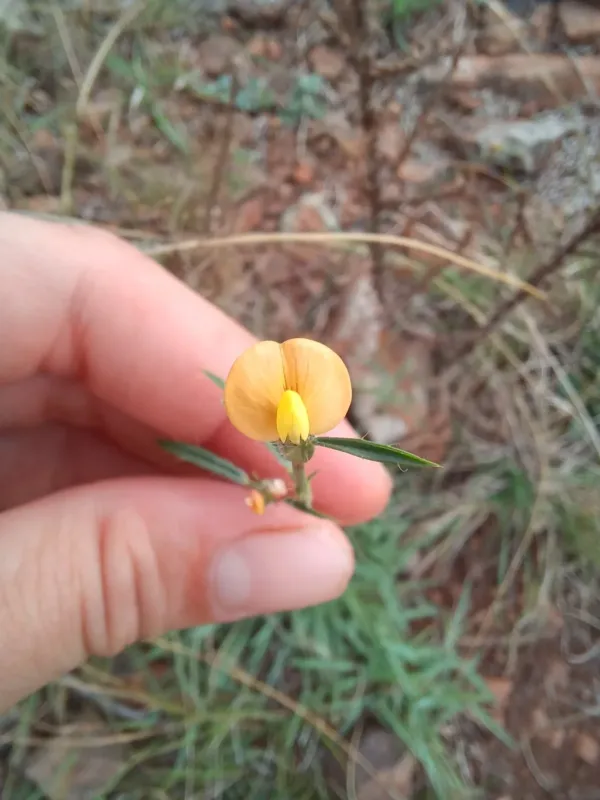
Description
Sowing dates
Stylosanthes montevidensis is typically sown when soil temperatures reach a consistent range of 18–20 degrees Celsius. In tropical and subtropical regions, the planting window is often determined by the onset of the rainy season.
The seeds should be planted at a shallow depth of 1–2 centimeters. Proper seed-to-soil contact is essential for germination, as the seeds are relatively small and susceptible to desiccation in dry conditions.
Mechanical seeding is recommended to ensure uniform distribution across the field. This uniformity helps in establishing a consistent stand that can effectively compete against early weed pressure.
Scarification of seeds prior to planting is often necessary to break dormancy and increase germination rates. This simple treatment can significantly enhance the success rate of pasture establishment.
After seeding, rolling the field is a standard practice to press the seeds into the soil profile. This technique promotes water uptake and stabilizes the seedling environment for better root initiation.
Growing requirements
As a member of the legume family, this plant is remarkably well-adapted to low-fertility, acidic soils. It is often chosen for land improvement projects where other common forages fail to thrive.
The species demonstrates excellent drought tolerance, relying on an extensive root system to access deep moisture. However, high biomass production remains dependent on adequate rainfall during the active growing season.
Full solar exposure is critical for the development of Stylosanthes montevidensis. It does not perform well in shaded conditions and should be planted in open areas to maximize its photosynthetic potential.
Proper drainage is necessary, as the plant does not tolerate waterlogging. Ensuring a well-aerated soil structure is important to prevent root rot and other moisture-related diseases that can plague tropical legumes.
Phosphorus supplementation is generally required on depleted soils. Since the plant fixes atmospheric nitrogen, managing phosphorus levels is the primary agronomic strategy to ensure robust growth and high protein content.
Yield
The yield of green matter for this species depends heavily on the level of management and local environmental conditions. Multiple cuttings per season are possible with optimal moisture and nutrient availability.
As a forage crop, it is highly valued for its protein content and palatability for ruminants. Proper grazing management, such as rotational grazing, can maximize the productivity and lifespan of the stand.
When used for hay production, the timing of the cut is crucial. Harvesting at the peak of the vegetative phase ensures the highest nutritional quality before the plant shifts its energy to flower production.
Seed production requires careful monitoring of the crop maturity. Because the pods can shatter easily, harvesting should take place as soon as the majority of pods turn brown to minimize field losses.
Overall productivity is sustained over several years if the plants are given adequate recovery time after grazing or mowing. This makes it a reliable component of long-term pasture systems.
Main diseases and pests
Anthracnose is the most significant disease affecting this species, especially in high-humidity environments. The fungus can cause severe leaf drop and reduce both yield and forage quality significantly.
Insect pests such as leaf-eating caterpillars and certain weevils can cause damage to the foliage and reproductive parts. Regular monitoring of the stand is recommended to intervene before pest outbreaks reach economic thresholds.
Weed competition is primarily a threat during the initial stages of establishment. Once the crop forms a dense canopy, it is generally very effective at shading out invasive plant species.
Improper grazing intensity can lead to stand degradation and soil compaction. It is important to maintain an appropriate stocking rate to prevent overgrazing, which damages the plant's recovery capacity.
Integrated pest management, including the use of resistant cultivars, is the most effective approach to mitigating threats. Crop rotation is also advised to break the cycle of host-specific pathogens in the soil.