
Stylosanthes guineensis
Stylosanthes guineensis
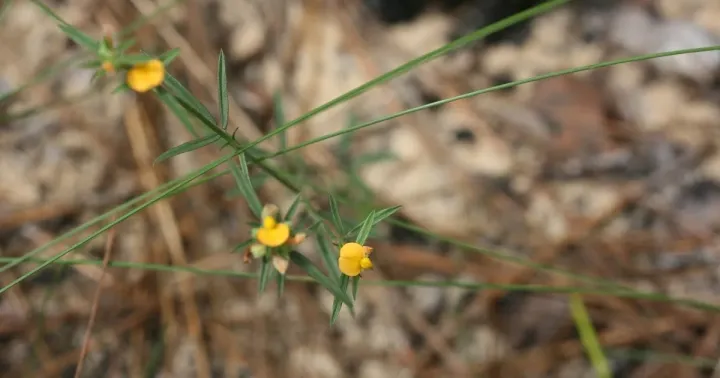
Description
Sowing dates
Sowing of Stylosanthes guineensis is best performed at the onset of the rainy season when soil temperatures are warm enough to support rapid germination. This ensures the establishment of a strong root system before the onset of the dry period in tropical regions.
The optimal seeding rate varies between 3 to 6 kg per hectare, depending on the planting method. Row planting with spacing of 30–50 cm is recommended to facilitate weed management during the early establishment stages of the crop.
Scarification of seeds is essential due to the presence of a hard seed coat that restricts water uptake. Furthermore, inoculation with specific Rhizobium strains is highly recommended to enhance the nitrogen-fixing capacity of the legume.
Seeds should be sown at a shallow depth of 1–2 cm to ensure that the seedling has sufficient energy reserves to break through the soil surface. Deep planting often leads to failure, as the seed may exhaust its reserves before emergence.
Post-sowing soil compaction (rolling) is beneficial for ensuring adequate seed-to-soil contact, which is vital for achieving uniform stand establishment, especially in areas with sporadic initial rainfall.
Growing requirements
Stylosanthes guineensis is a perennial legume highly valued for its ability to thrive in poor, acidic tropical soils where other forage legumes often fail to survive. Its hardiness makes it a reliable choice for pasture improvement.
The crop requires an annual rainfall between 800 and 1500 mm for optimal biomass production. While it shows good tolerance to short dry spells, sustained productivity is dependent on the availability of a clearly defined wet season.
Well-drained soils are preferred, as the plant does not tolerate waterlogging. It performs well on various soil textures, including sandy and loamy soils, and has an exceptional ability to extract phosphorus from low-fertility soils.
Temperatures between +22 and +30 degrees Celsius are ideal for active growth. Being a tropical plant, it is extremely sensitive to frost, which can kill the stand entirely, thus restricting its cultivation to tropical and subtropical climates.
Stylosanthes is a light-demanding crop and should not be planted in heavily shaded environments. Productivity drops significantly if the crop is suppressed by a dense tree canopy or tall, competing vegetation.
Yield
The annual dry matter yield of Stylosanthes guineensis can range from 15 to 40 tonnes per hectare, depending on soil quality, fertilizer application, and the amount of rainfall received during the growing cycle.
The crop is highly suitable for grazing systems, as it exhibits excellent regrowth after being eaten by livestock. Its high protein content makes it a superior supplement for cattle and small ruminants in tropical pastures.
Seed yield is relatively modest, typically ranging from 200 to 400 kg per hectare. Harvest management is critical because the seeds tend to shatter easily once the pods reach full maturity and dry on the stem.
When grown as a green manure or cover crop, Stylosanthes contributes significant nitrogen to the soil, estimated at 100–150 kg per hectare annually, which benefits subsequent crops in the rotation cycle.
Consistent phosphorus fertilization is necessary to maintain high forage yields over multiple years. Without adequate nutrient input, the nitrogen fixation rate and biomass output will gradually decline after the second or third year.
Main diseases and pests
Anthracnose is the most significant disease affecting Stylosanthes, particularly in regions with high humidity. This fungal infection can lead to leaf loss and significantly degrade the quality of the forage.
Insect pests, including various leaf-eating caterpillars and beetles, can cause localized damage to the foliage. Integrated pest management strategies, focusing on biological controls, are preferred to maintain the ecosystem balance.
Root rot diseases are primarily associated with poorly drained soils or heavy waterlogging. Ensuring proper field drainage is the most effective preventative measure against these soil-borne pathogens.
Viruses transmitted by insect vectors can also impact the vigor and longevity of the plant. Selecting resistant or tolerant cultivars is the most effective strategy to mitigate the impact of disease outbreaks.
Weed competition during the first 60 days of growth is the primary threat to stand establishment. If not controlled, weeds can outcompete the legume for sunlight and nutrients, leading to a thin, unproductive pasture.
Harvesting
For forage and hay production, harvesting should occur during the flowering phase when the plant's nutritional value, particularly protein content, is at its peak. A stubble height of 10–15 cm is required for rapid regrowth.
When making hay, the cut biomass should be cured in windrows. Avoid over-drying in the sun to prevent the leaves, which are the most nutritious part, from becoming brittle and shattering off during baling.
Seed harvesting can be performed via direct combining or by swathing followed by threshing. Harvesting should be timed to maximize yield while minimizing losses due to natural seed shedding.
In grazing systems, harvest management involves rotational stocking. Animals are introduced when the canopy reaches 30–40 cm in height and are moved once the stand is grazed down to approximately 15 cm.
Proper seed storage requires a cool, dry environment to maintain viability. Moisture control is critical, as seeds can easily succumb to fungal mold and premature germination if stored in humid conditions.