
Strychnos toxifera
Strychnos toxifera M. R. Schomb. ex Benth.
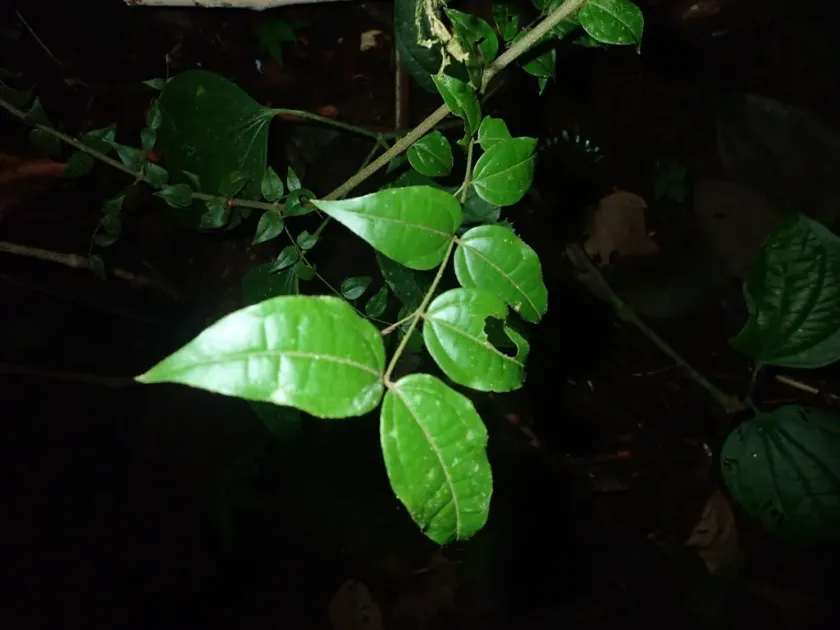
Description
Growing requirements
Strychnos toxifera is a significant woody liana belonging to the Loganiaceae family. Native to the tropical rainforests of South America, it is renowned for its chemical properties.
The plant thrives in regions with high ambient humidity and consistent tropical temperatures. It is strictly non-hardy and cannot survive in temperate climates without controlled greenhouse conditions.
It requires nutrient-rich, well-drained forest soils to support its vigorous growth. Being a climbing vine, it depends on natural supports like large tropical trees to reach sunlight.
The environment must provide partial shade, mimicking the conditions of the lower rainforest canopy where it naturally emerges and matures over several years.
Due to its specialized ecological requirements, agricultural production is limited to research facilities and botanical collections rather than commercial farming.
Harvesting
The primary economic and historical importance of Strychnos toxifera lies in its bark. It serves as a major source for producing potent curare-like alkaloids.
Harvesting involves carefully stripping the bark from mature stems. This activity is often linked to traditional knowledge passed down through generations in its native range.
In modern pharmacology, the active ingredients are researched for their potential use in clinical anesthesia, specifically for their muscle-relaxant properties.
Post-harvest processing involves air-drying the collected bark, which helps to preserve the chemical integrity of the toxic compounds present within the tissue.
Safety protocols are mandatory when handling any part of the plant, as the alkaloids are highly potent and can be lethal if absorbed through cuts or ingestion.