
Nux vomica
Strychnos nux-vomica L.
Description
Growing requirements
Nux vomica (Strychnos nux-vomica) is an evergreen tree member of the Loganiaceae family, native to the tropical forests of South and Southeast Asia.
The tree is well-adapted to hot and humid environments, flourishing in regions with significant annual rainfall and consistent, high temperatures.
Successful cultivation requires deep, well-draining soils rich in organic matter to support the tree's slow-growing root system during the development phase.
It is sensitive to cold weather and cannot withstand frost, which makes it suitable only for strictly tropical or carefully controlled greenhouse environments.
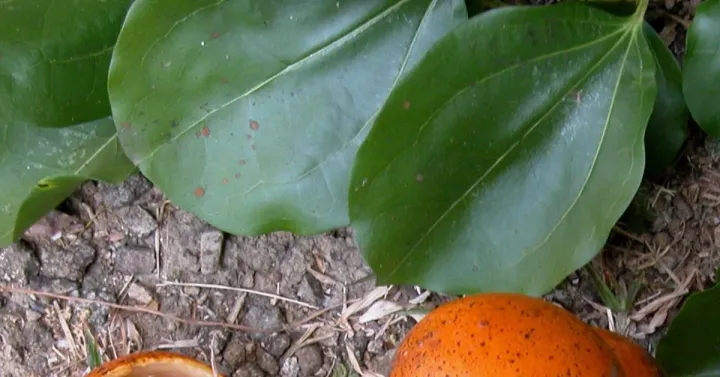
Its botanical features include glossy, ovate leaves and small, fragrant white flowers that eventually develop into orange-sized berries containing numerous seeds.
Yield
The primary economic output of the Nux vomica tree consists of its seeds, which serve as a natural source of strychnine and brucine alkaloids.
Yield estimation is primarily based on the mature seed harvest, which occurs after the fruits have fully ripened and fallen from the canopy to the ground.
Post-harvest processing involves the cleaning, drying, and careful handling of the seeds to ensure the purity of the medicinal alkaloids contained within.
Due to the high toxicity of the plant material, harvesting and storage operations require stringent industrial safety protocols to protect workers.
The global demand for Nux vomica is specialized, targeting pharmaceutical manufacturing that requires precise alkaloid extraction for specific medical applications.
Main diseases and pests
The dense foliage of Nux vomica is susceptible to various fungal pathogens that thrive under the high-humidity conditions of its native habitats.
Stem borers and various leaf-eating insects pose significant challenges to plantation health, potentially reducing the overall quality of the botanical yield.
Integrated pest management strategies are recommended to mitigate the risk of damage while ensuring that the chemical integrity of the seeds is preserved.
Water management is critical, as stagnant water increases the likelihood of root rot, which can prove fatal to established, long-lived trees.
Regular monitoring of the canopy and trunk is essential for detecting pest outbreaks at an early stage, ensuring the longevity of the tropical agroforestry system.