
Strombocactus disciformis
Strombocactus disciformis
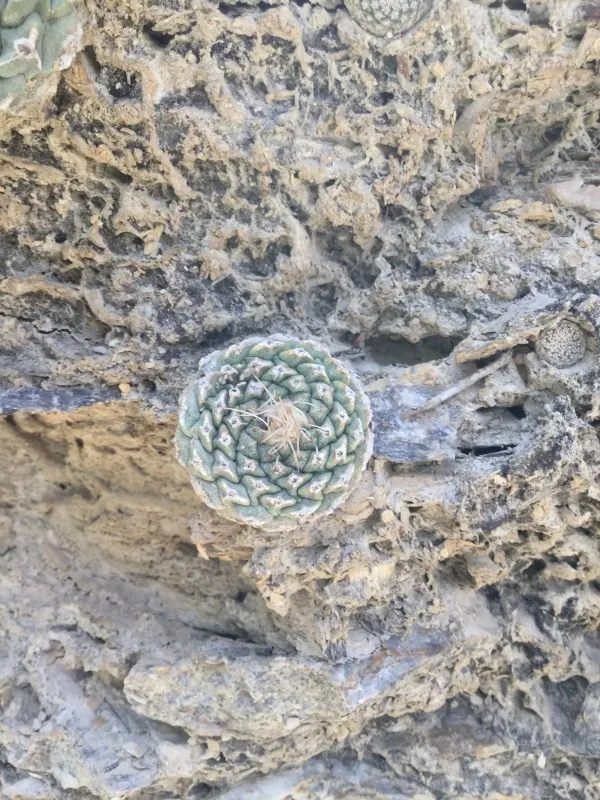
Description
Sowing dates
Sowing Strombocactus disciformis seeds is a delicate task that requires sterile conditions. The best time for sowing is during the spring when the lengthening days provide the necessary energy for seedling development.
The seeds are incredibly tiny, so they should not be covered with soil, but rather pressed gently into a pre-moistened mineral substrate. Maintaining a consistent temperature between 25–28°C is crucial for germination.
Seed trays must be covered with glass or transparent plastic to maintain a high-humidity greenhouse environment. Regular ventilation is vital to prevent fungal infections and mold growth on the substrate surface.
Germination typically occurs within a few weeks, but the growth rate of seedlings is extremely slow. Repotting should be delayed for at least a year until the plants have developed sufficient root mass.
Using bottom heat during the first month after sowing significantly increases the success rate. Always use high-quality, mineral-rich, and low-salt water for the initial watering stages.
Growing requirements
Strombocactus disciformis requires a strictly mineral-based, well-draining soil mix. A mixture of fine gravel, coarse sand, and pulverized limestone or brick provides the best structural environment for its roots.
The plant thrives in bright, filtered light. Direct midday sun can scorch the epidermis, so light shading is recommended during the hottest months. In winter, a dry dormancy period at 10–12°C is essential.
Watering must be very sparing during the active growing season. Overwatering is the primary cause of death for this species, as it is highly susceptible to root rot in poorly drained conditions.
In its natural habitat, the plant grows in limestone crevices, making the inclusion of calcium-rich components in the potting mix a key factor for healthy, sturdy growth.
Good air circulation is necessary to simulate the mountain breeze of its native Mexico. Stagnant air coupled with high humidity can quickly lead to physiological stress and pathogen outbreaks.
Main diseases and pests
Root rot is the most serious threat to the species, usually caused by improper soil moisture levels or poor aeration. Prevention through precise irrigation management is far better than treatment.
Mealybugs are common pests that hide between the plant's spirally arranged tubercles. Regular manual inspections and systemic insecticides can keep the infestation under control.
Spider mites can damage the skin of the cactus during hot, dry spells. If these pests are detected, prompt application of a suitable miticide is required to protect the integrity of the stem.
Failure to provide a proper winter dormancy period weakens the plant significantly. Weakened individuals become prone to secondary bacterial or fungal infections that affect the stem structure.
Applying a light systemic fungicide at the start of the growing season is a standard horticultural practice to ensure long-term health and vigor of the collection.