
Sticherus cunninghamii
Sticherus cunninghamii
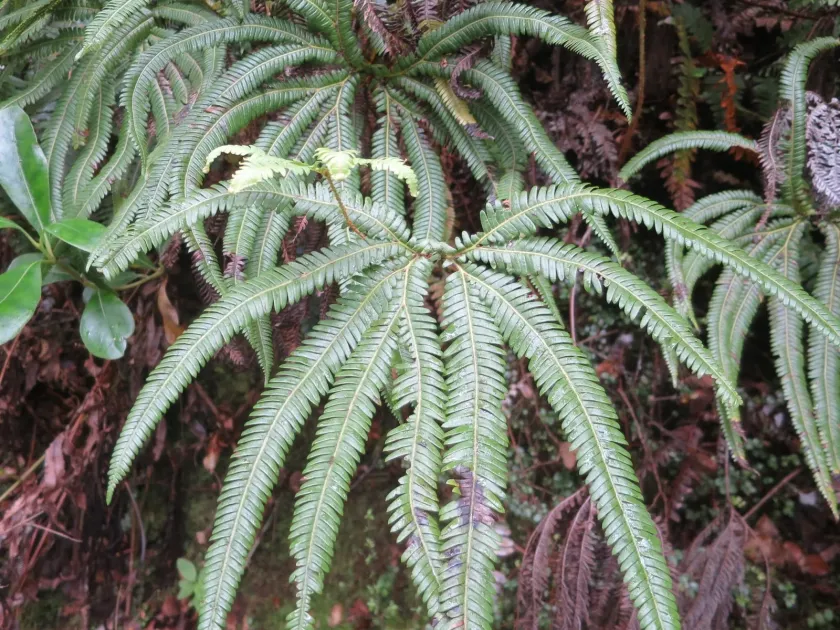
Description
Growing requirements
Sticherus cunninghamii belongs to the Gleicheniaceae family and is commonly known as the umbrella fern in its native New Zealand. It is a distinctive rhizomatous plant found in damp forest floors and along shaded stream banks.
This fern thrives in high-humidity environments with dappled sunlight. It is essential to replicate these conditions by providing a consistent moisture level in the growing medium without causing waterlogging.
The ideal soil mix should be loose, well-draining, and rich in organic matter. Using a substrate with a slightly acidic pH, similar to woodland soil, significantly enhances the vigor and color of the fronds.
Climate requirements include protection from extreme temperature fluctuations. The plant is best suited for environments that mimic the cool and humid conditions of a temperate rainforest.
Cultivation techniques involve maintaining a stable microclimate. Since the plant is slow-growing, it requires patience and minimal disturbance to the root system, which is very sensitive to physical damage.
Main diseases and pests
Root rot is the most significant threat, typically caused by poor drainage or stagnant water in the pot. It is crucial to ensure the substrate remains moist but airy to prevent pathogen development.
Common pests like mealybugs and spider mites can infest the fronds in dry indoor conditions. Regular misting and proper air circulation are key preventive measures against these infestations.
Fungal leaf spot diseases can appear if the fronds remain wet for extended periods in low light. Good sanitation practices, such as removing dead fronds, are necessary to maintain a healthy plant.
Sensitivity to mineral salts in tap water can lead to yellowing of the leaf tips. It is recommended to use filtered or rainwater for irrigation to avoid chemical accumulation in the potting medium.
Improper feeding, particularly excessive fertilization, can be detrimental. Sticherus cunninghamii prefers low-nutrient environments and requires only very mild organic supplements during the growing season.