
Stetsonia coryne
Stetsonia coryne
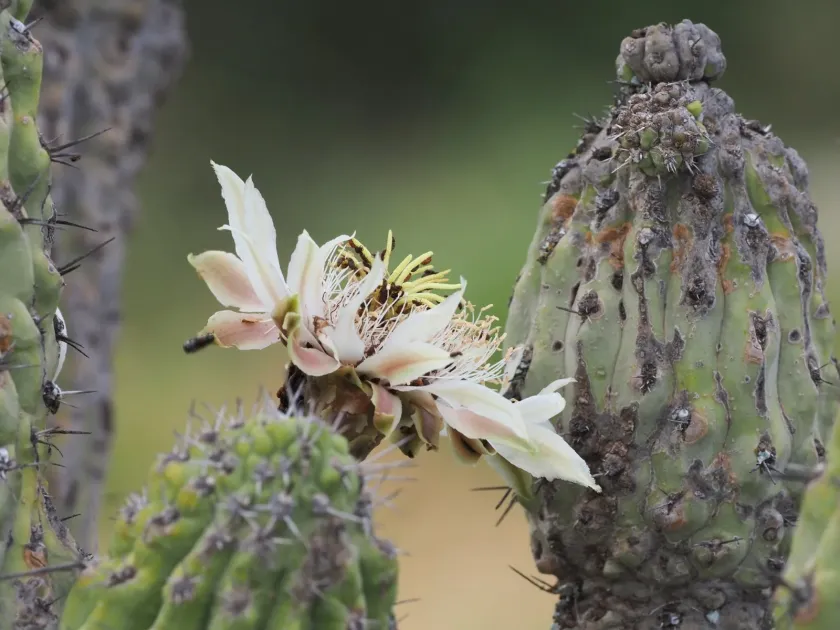
Description
Sowing dates
Seed propagation of Stetsonia coryne requires strict adherence to temperature regimes, with spring being the optimal time for sowing. Seeds should be sown in a loose, well-draining substrate consisting of sand and leaf soil.
To ensure germination, maintain temperatures between +22 and +26 degrees Celsius. It is crucial to provide consistent soil moisture while avoiding waterlogging, which can lead to embryo rot.
Seedlings emerge unevenly, so it is recommended to cover the seed container with glass or plastic to create a greenhouse effect. Once the first spines appear, the seedlings should be gradually acclimatized to ambient humidity.
Pricking out the young plants is typically performed one year after sowing, when they reach sufficient size for independent growth. During this period, the Stetsonia is extremely sensitive to root system damage.
Cuttings are another possible method of propagation, although less frequently used for this column-like cactus. The cut of the cutting must be dried in the shade until a callus forms before planting.
Growing requirements
Stetsonia coryne is a large, tree-like cactus from the Cactaceae family, which reaches significant dimensions in its natural habitat. It prefers open, sunny locations with intense light throughout the entire day.
The culture has requirements typical for succulents: the soil must be mineral-based, neutral to slightly acidic, and have excellent water permeability. Stagnant moisture at the roots is detrimental to this species.
During the active growing season, the plant requires moderate watering after the soil ball has dried completely. In winter, a dormancy phase occurs, during which watering is almost entirely stopped and temperatures are lowered to +10-12 degrees Celsius.
The plant exhibits high drought resistance due to its origin in the arid regions of Argentina and Bolivia. Ensuring a flow of fresh air is an important factor for successful growth.
When cultivating in containers, it is necessary to use pots with a wide base, as the Stetsonia becomes very heavy as it grows and may tip over due to its significant weight.
Main diseases and pests
The most dangerous pest for Stetsonia is the mealybug, which attacks the areoles of the cactus and sucks the sap. If insects are detected, treatment with specialized systemic insecticides should be carried out.
Spider mites can also cause significant damage, especially in conditions of low humidity and poor ventilation. Symptoms of their presence include characteristic spots on the epidermis, indicating tissue necrosis.
Root rot occurs with systematic overwatering of the soil, especially during the cold season. If the root system is affected, immediate replanting with the removal of damaged parts and disinfection of cuts is required.
Black spot, caused by fungal pathogens, can develop in poorly ventilated rooms. Combating it involves removing infected areas and treating the plant with copper-based fungicidal preparations.
Prevention of all diseases is based on maintaining a dry regime during the winter and adhering to sanitary standards when maintaining the collection. Regular inspection allows for the early detection of disease onset.