
Stenochlaena palustris
Stenochlaena palustris
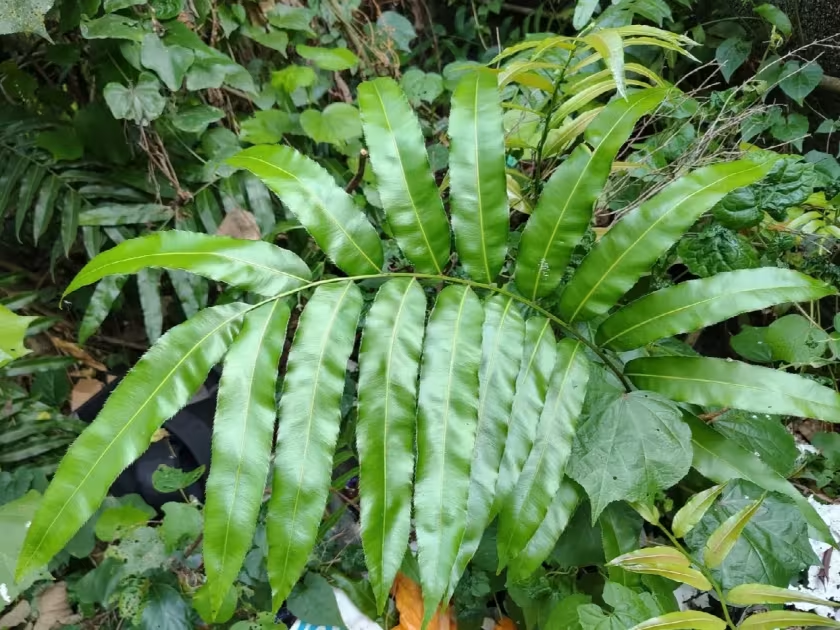
Description
Sowing dates
Stenochlaena palustris is a perennial tropical fern belonging to the Blechnaceae family. Unlike many fern species, it is frequently cultivated for its edible young shoots, which are a popular vegetable in Southeast Asia.
Propagation is primarily achieved through vegetative division of the creeping rhizomes, which allows for rapid establishment of new plants in a controlled environment.
While spore propagation is possible, it requires specialized high-humidity conditions and sterile growing media, making it less common in commercial farming compared to rhizome cuttings.
Optimal planting occurs during the onset of the wet season when soil moisture levels are naturally high, facilitating root development and plant survival.
The culture thrives in tropical settings where consistent warmth and high humidity can be maintained throughout the year, ensuring continuous growth cycles.
Growing requirements
As suggested by its name, this species has a high affinity for water and naturally occurs in swampy forests, marshes, and riverbanks.
It prefers shaded or semi-shaded environments, as direct sunlight can cause rapid dehydration and scorched foliage on the tender fronds.
The soil should be nutrient-rich, organic, and have a loose, well-draining structure to provide adequate aeration while maintaining constant moisture.
High humidity, ideally above 80%, is essential for the healthy expansion of new leaves; therefore, windbreaks are often necessary to prevent dry air from impacting growth.
Maintaining a layer of organic mulch around the plants helps to preserve soil moisture and regulate temperatures around the rhizomatous root system.
Yield
The commercial yield of Stenochlaena palustris is based on the regular harvest of young, tightly curled shoots before they fully unfurl into mature fronds.
By implementing a strategic harvesting schedule, farmers can stimulate the plant to produce multiple flushes of new growth throughout the season.
Total yield is determined by the density of the planting and the health of the rhizome network, which can remain productive for several years under proper care.
In high-intensity cultivation systems, this fern can provide a reliable and consistent supply of vegetable biomass for the market.
As the market demand for healthy, locally sourced greens continues to grow, the importance of this fern as a food crop has become increasingly recognized in agricultural research.
Main diseases and pests
The primary threats to this fern include fungal infections that thrive in stagnant, overly humid conditions where air circulation is severely restricted.
Pests such as spider mites and scale insects can become problematic if the surrounding humidity drops, causing physiological stress to the plants.
Root rot is a common issue if the growing substrate lacks proper drainage, leading to the decay of the sensitive rhizomes in waterlogged soil.
To mitigate these risks, farmers should maintain adequate spacing between plants and monitor for any signs of leaf discoloration or pest colonization.
Integrated pest management, focusing on biological controls and environmental sanitation, is highly recommended for maintaining a healthy and safe harvest.
Harvesting
Harvesting is performed by hand, ensuring that only the tender, unopened shoots are picked, leaving the more mature leaves to sustain the plant.
The timing of the harvest is critical, as shoots must be collected while they are still in their immature 'fiddlehead' stage for optimal texture and flavor.
After collection, the shoots are delicate and prone to wilting, necessitating prompt cooling and packaging to maintain quality during storage and transport.
Frequent harvests during the peak growing season allow for high output, requiring efficient labor management and rapid distribution logistics.
Post-harvest handling involves cleaning the shoots of any scales or fibrous material to ensure they meet the quality standards required for the retail market.