
Chickweed
Stellaria media (L.) Vill.
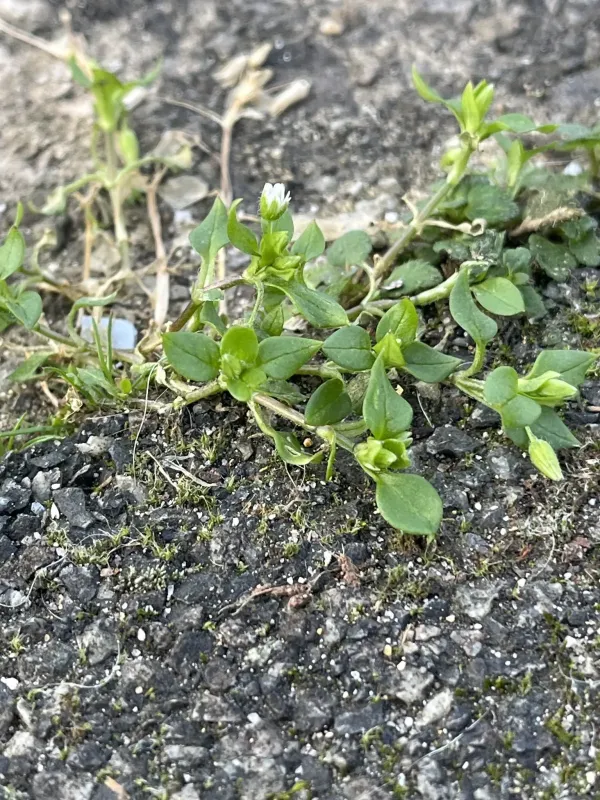
Description
Sowing dates
Stellaria media, commonly known as chickweed, is an annual plant characterized by a rapid life cycle. Sowing can take place as soon as the soil reaches a temperature of 5-8 degrees Celsius, allowing for early production of nutrient-rich greens in the spring season.
To maximize annual yields, a succession sowing method is highly recommended, with new seeds planted every 15 to 20 days. This staggered approach ensures a consistent supply of fresh vegetation throughout the growing season for market or culinary use.
For indoor or greenhouse production, seeding can occur throughout the year. However, it is essential to supplement natural light with artificial grow lights during the darker winter months to prevent the plants from becoming etiolated, which drastically reduces their market quality.
Seeds should be sown at a shallow depth of approximately 0.5 to 1 centimeter. After sowing, it is critical to lightly firm the soil surface to ensure sufficient capillary action, which is vital for the germination of such small seeds, especially in drier environments.
Due to the plant's aggressive ability to self-seed, producers must manage the crop carefully within the rotation scheme. Harvesting before seed head formation is an essential agronomic practice to maintain control over the weed population in subsequent crop cycles.
Growing requirements
Chickweed thrives in nutrient-dense, loamy, and consistently moist soils. It is highly sensitive to water stress; prolonged drought conditions cause the foliage to wilt and harden, making it unmarketable. Maintaining soil moisture is therefore the top priority for successful production.
The optimal temperature for growth ranges between 15 and 20 degrees Celsius. While the plant is hardy and can tolerate cold temperatures, extreme heat during mid-summer inhibits vegetative development and triggers early flowering, which should be avoided for leaf production.
The crop prefers locations with partial shade or protection from intense direct sunlight. Excessive exposure to high-intensity light accelerates the plant's transition to the reproductive phase, leading to stunted vegetative growth and a loss of culinary quality.
The soil should be maintained at a neutral to slightly acidic pH level. Because chickweed has a relatively shallow root system, the soil must be kept loose and free of compaction to allow for proper root aeration and nutrient uptake from the upper soil layers.
Adequate spacing is crucial to prevent competition for resources. Overcrowding in seedbeds often results in weak plants prone to lodging, which creates a microclimate conducive to fungal development and complicates the mechanical harvesting process.
Yield
With intensive management and sufficient nitrogen levels, yields for chickweed can reach up to 1.5–2 kilograms per square meter per harvest cycle. The plant is known for its remarkable ability to regenerate foliage quickly after being cut, provided resources are available.
Consistent irrigation and periodic applications of liquid organic fertilizers after each harvest cycle can significantly increase the total seasonal yield. Producers can typically expect to perform 3 to 4 cuts per season under favorable growing conditions.
A major factor limiting yield is the presence of other weed species, which can outcompete chickweed for light and nutrients in the early stages of growth. Therefore, early-stage manual or mechanical weeding is essential for high-density production beds.
The total output is heavily influenced by the humidity of the environment. In cool, temperate climates, the potential yield is significantly higher compared to warmer regions where the plant struggles to maintain vegetative vigor throughout the peak summer months.
Strategic management of vegetative cycles allows growers to maximize the harvest period. By adjusting irrigation schedules and applying appropriate soil nutrients, farmers can extend the productive lifespan of the crop, significantly increasing the cumulative seasonal return.
Main diseases and pests
The most significant threats to chickweed crops are fungal pathogens, specifically damping-off and root rot, which are triggered by poor soil drainage and excessive humidity. Maintaining proper airflow between plants is the primary preventive measure against these diseases.
In terms of pests, aphids and flea beetles represent the most common challenges. These insects target the young, tender foliage and can cause severe deformity. Slugs and snails may also become problematic during rainy periods, particularly in open-field cultivation.
Integrated Pest Management (IPM) practices are highly recommended. Because the crop is harvested for its leaves in a short time frame, growers should avoid synthetic chemical applications and instead rely on biological control methods or physical barriers for pest exclusion.
Preventative sanitation is crucial for managing disease risks. Regularly removing plant debris from the beds and ensuring that irrigation water does not stay on the leaves for prolonged periods helps to significantly reduce the incidence of fungal spores.
Crop rotation and soil testing are fundamental to reducing the risk of soil-borne pathogens. Avoiding the monoculture of the same green leafy vegetables in the same soil for consecutive seasons will maintain a healthier environment for the chickweed crop.
Harvesting
Harvesting should be conducted when the plants are in their peak vegetative growth phase, specifically before the initiation of flowering. Utilizing a sharp knife or hand shears allows for a clean cut, which promotes faster recovery of the remaining stems.
The optimal time for harvest is early morning, when the plant tissue is fully turgid and cooled by the overnight temperatures. Post-harvest, the product should be moved quickly to a cool area to prevent excessive respiration and wilting.
Once harvested, the greens must be carefully sorted and cleaned to remove any soil or yellowed leaves. Packaging should be done in containers that allow for some air circulation while maintaining the required humidity levels to keep the leaves crisp.
Storage in refrigerated conditions at approximately 1-3 degrees Celsius is essential for maximizing shelf life. Proper cooling and packaging ensure that the delicate foliage remains fresh for transport to local markets or culinary establishments.
Seasonality can be extended by using protective covers such as row covers or high tunnels. These methods provide a buffer against temperature fluctuations and late-season frosts, ensuring a steady supply of high-quality chickweed into the late autumn months.