
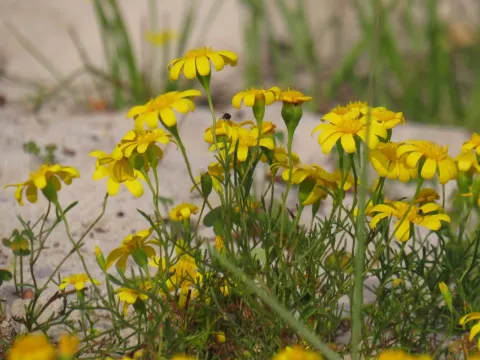
Steirodiscus
Steirodiscus
The propagation of Steirodiscus is best initiated in late winter or early spring using a controlled environment. Due to the fine nature of the seeds, they should be surface-sown on a well-draining seed-starting mix to ensure adequate light exposure for germination.
What the section contains

Steirodiscus
Maintaining a consistent temperature is essential during the early stages of development. Once the seedlings have developed their first true leaves, they should be carefully transplanted into larger pots to prevent overcrowding and root competition.
Hardening off the seedlings is a critical step before transferring them to their final outdoor location. This process allows the plants to gradually adapt to external environmental conditions and reduces transplant shock.
When selecting the sowing site, ensure the soil is loose and friable. Proper preparation of the seedbed or container ensures that the young roots can penetrate the soil easily, promoting strong initial growth.
Uniform spacing is recommended during the final planting phase to allow sufficient airflow around each plant, which is vital for preventing fungal diseases in the humid spring months.
Steirodiscus is a genus within the Asteraceae family, originating from the arid and sun-drenched regions of South Africa. As such, these plants are highly adapted to intense light conditions and require full sun exposure to maintain their compact and healthy growth.
The soil requirements are specific: Steirodiscus thrives in gritty, sandy, or rocky soil types that provide excellent aeration. Any heavy or clay-based soil must be amended with grit or perlite to facilitate rapid drainage and prevent water accumulation.
Regarding climate, the plant prefers temperate conditions with low humidity. High levels of air humidity, combined with saturated soil, are the primary causes of physiological stress and subsequent decline in this species.
The plant demonstrates notable resilience to periodic dry spells, a trait inherited from its natural habitat. However, a light and consistent irrigation schedule during the growing season is necessary to encourage a prolonged and vivid display of blossoms.
In terms of garden usage, Steirodiscus is primarily employed in rock gardens, borders, or as a feature plant in xeriscaping projects where drought tolerance and soil drainage are key considerations.
The most significant threats to the health of Steirodiscus are pathogens favored by excessive moisture. Root rot and damping-off are common concerns that typically result from poor soil drainage or excessive rainfall during the flowering period.
Pest pressure is often limited but can become problematic in sheltered or stagnant conditions. Aphids and spider mites are known to infest the foliage, especially when the plant is experiencing drought stress or lacks sufficient air circulation.
Integrated pest management strategies should focus on preventive measures, such as pruning away damaged or dead foliage to improve air movement and reduce the potential sites for fungal spore accumulation.
Chemical intervention should be used cautiously, as the plant can be sensitive to strong pesticides. Organic soaps and horticultural oils are generally safer alternatives for controlling common sap-sucking pests when necessary.
Consistent monitoring and maintaining a balance between moisture and drainage are the best long-term strategies for keeping a Steirodiscus plantation healthy and free from common threats.