
Steirodiscus tagetes
Steirodiscus tagetes (L.) Schltr.
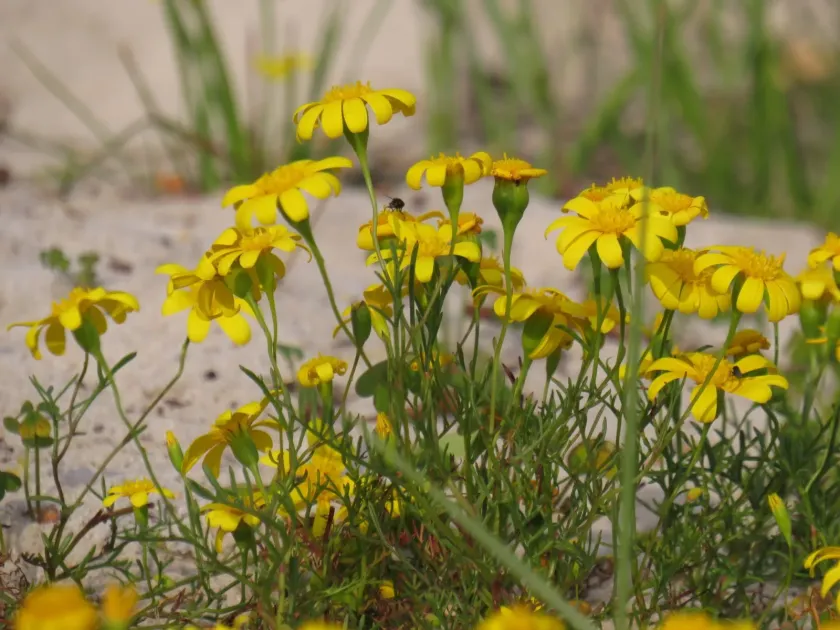
Description
Growing requirements
Steirodiscus tagetes is an annual herbaceous plant belonging to the Asteraceae family. Known for its distinct resemblance to marigolds, this species is highly valued in horticulture for its vibrant, golden-yellow inflorescences and compact growth habit.
Originating from South Africa, this plant is naturally adapted to regions with well-defined seasonal weather patterns. It thrives best in sandy, well-drained soils where the risk of waterlogging is minimal, reflecting its native dry-slope habitat.
The crop is highly photophilous and requires full sun exposure to maintain its structural integrity. In lower light conditions, the plant tends to become etiolated, leading to weak stems and a significant reduction in the quantity and quality of flower production.
Agricultural success depends on providing a growing environment with excellent air circulation and appropriate soil drainage. While the plant can withstand short periods of drought, consistent moisture during the initial establishment phase is necessary for strong root development.
Soil nutrient management should be moderate, as excessive nitrogen levels can lead to rapid vegetative growth that delays flowering. A balanced, low-nitrogen fertilization strategy is often recommended to support sustainable flowering throughout the season.
Main diseases and pests
Fungal diseases, particularly root rot and grey mould, represent the most significant threat to Steirodiscus tagetes cultivation. These issues are most prevalent in areas with high humidity or poor soil drainage, necessitating careful irrigation management.
Common agricultural pests affecting this species include aphids and spider mites, which can cause severe damage if left uncontrolled. Integrated Pest Management (IPM) practices, including the use of neem oil or soft soaps, are effective in minimizing population spikes.
Weed competition is a critical concern, especially during the seedling stage. Given that the plant has a relatively slow growth rate initially, mechanical weeding is required to ensure that the crop is not overshadowed by faster-growing invasive vegetation.
Slugs and snails can also pose a risk during cool, damp weather conditions. Protective measures, such as creating physical barriers or utilizing iron phosphate bait, can effectively manage these populations without harming the surrounding ecosystem.
Crop rotation and field sanitation are essential practices to break disease cycles. By avoiding the cultivation of Asteraceae on the same site for consecutive years, producers can significantly reduce the risk of soil-borne pathogens establishing in the root zone.