
Stauntonia latifolia
Stauntonia latifolia
Description
Sowing dates
Propagation of Stauntonia latifolia is most effectively achieved through vegetative methods, specifically stem cuttings, which ensure the offspring retain the traits of the parent plant.
The best time for taking cuttings is late spring or early summer, coinciding with the plant's active growth phase to encourage root development.
For planting, choose a well-drained substrate rich in organic matter to provide the developing root system with consistent nutrients and appropriate aeration.
If sowing by seeds, they should be planted in containers during the autumn and subjected to a period of natural cold stratification before sprouting in spring.
Maintaining a temperature range of 20–22 degrees Celsius and high ambient humidity is crucial for successful cutting rooting in greenhouse environments.
Growing requirements
Stauntonia latifolia belongs to the Lardizabalaceae family and is a vigorous, woody, evergreen vine that can reach significant heights with proper support.
The plant thrives in sheltered areas protected from strong winds, preferring filtered sunlight or light shade similar to its natural subtropical forest habitat.
Soil requirements include a slightly acidic to neutral pH with high humus content and excellent drainage, as standing water can lead to fatal root rot.
Regular irrigation is necessary during dry spells, but water intake must be significantly reduced during winter dormancy to maintain plant health.
Climate tolerance limits its outdoor cultivation to regions with mild subtropical conditions, as the vine requires protection during severe winter temperature drops below -10 degrees Celsius.
Yield
In its natural habitat, Stauntonia latifolia produces edible fruits prized for their unique, sweet flavor profile, often described as a mix between banana and kiwi.
The culinary use of these fruits is common in parts of Asia, where they are enjoyed raw or processed into jams, refreshing beverages, and various desserts.
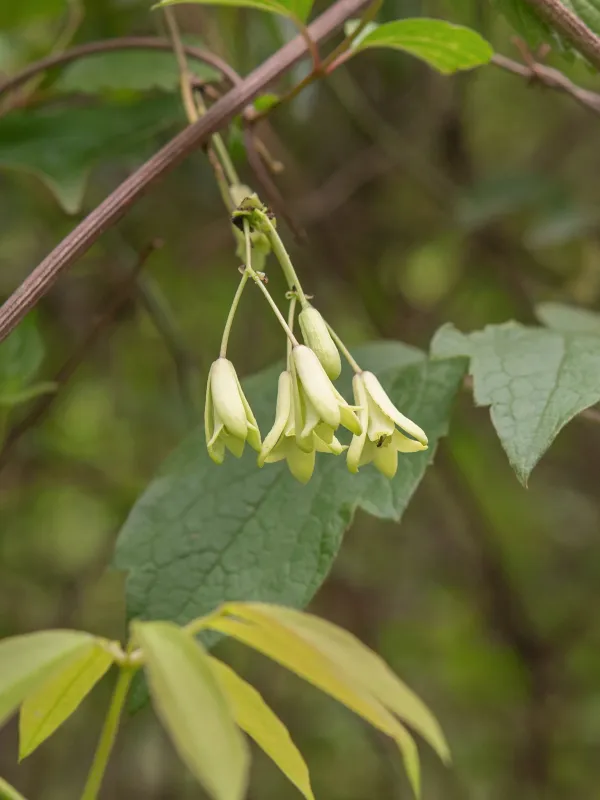
Blooming in the spring, the flowers emit a pleasant fragrance, enhancing the plant's value as an ornamental choice for vertical garden designs and facade greening.
Fruit production typically begins 3 to 5 years after establishing the plant, provided it is given sturdy support for optimal growth and air circulation.
To maximize yields, it is recommended to plant multiple specimens together to facilitate cross-pollination, as this significantly improves fruit set.
Main diseases and pests
The primary cultivation challenges involve over-saturation of the soil, which encourages the development of various root rot pathogens and stem infections.
Pests like spider mites or scale insects may infest the foliage, particularly if the plant is grown in overly dry conditions inside a greenhouse.
Preventative care involves regular air circulation, balanced watering schedules, and prompt pruning of damaged or dead branches to maintain canopy health.
In cases of pest outbreaks, targeted application of appropriate insecticides or acaricides is required, adhering strictly to safety protocols for fruit-bearing plants.
Maintaining adequate spacing between multiple vines significantly reduces the risk of spreading viral or bacterial diseases throughout the garden space.
Harvesting
Harvesting should take place in late summer or early autumn when the fruit skin transitions in color and becomes soft to the gentle touch.
The fruits of the Stauntonia vine ripen quickly; therefore, monitoring is essential to ensure harvesting occurs before they naturally detach and fall to the ground.
Use sharp pruning shears to cut the fruit stem cleanly, preventing unnecessary stress or damage to the delicate skin, which helps in extending shelf life.
Post-harvest storage should be handled in a cool, well-ventilated area, away from direct sunlight, to preserve the natural sweetness and texture of the fruits.
Due to the delicate nature of the ripe fruits, they should be transported in shallow, padded containers to avoid compression and mechanical bruising.