
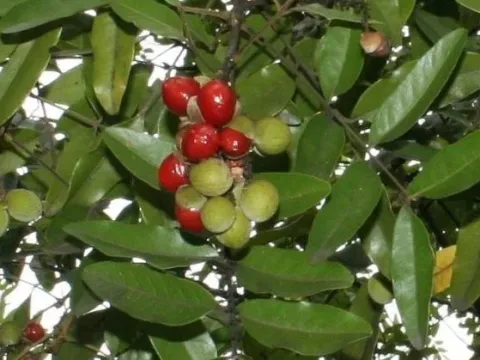
Stadmania
Stadmania Lam.
The genus Stadmania is a member of the Sapindaceae family, comprising several tree species native to the tropical regions of Africa and various islands in the Indian Ocean.
What the section contains
Stadmania
These plants are highly sensitive to frost and require tropical environmental conditions with consistent warmth and high humidity levels throughout the year.
Optimal growth is achieved in deep, well-drained soils that support vigorous root development, typical of forest regions with high organic content.
As understory or canopy trees, they demonstrate significant plasticity regarding light requirements, transitioning from shade-tolerance as saplings to requiring full light as mature individuals.
The botanical structure of Stadmania species typically includes compound leaves and small, distinct flowers that facilitate specialized pollination mechanisms.
Economic utility of Stadmania is largely linked to the forestry sector, where its timber is utilized for both utility and small-scale structural purposes.
The wood produced by these trees is noted for its density and durability, which makes it a preferred choice for local craftsmen in tool-making and furniture construction.
Research into the secondary metabolites of Stadmania bark and foliage suggests potential pharmacological applications, though commercial scale usage remains limited.
Harvesting practices are generally managed to maintain local ecological balance, often relying on traditional knowledge and sustainable extraction methods.
In silvicultural contexts, monitoring the maturation cycle of these trees is essential for harvesting high-quality timber while protecting the biodiversity of the surrounding habitat.