
Spermacoce hispida
Spermacoce hispida L.
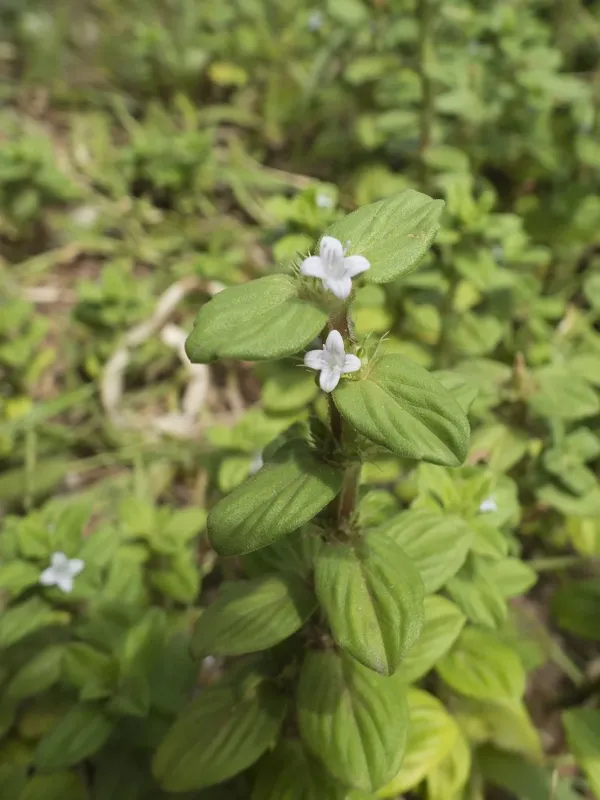
Description
Sowing dates
Spermacoce hispida L. belongs to the Rubiaceae family. This herbaceous plant is recognized for its medicinal value and is cultivated in various regions to support the pharmaceutical and herbal industry.
The sowing process typically takes place in the spring season when soil temperatures remain stable, ensuring an optimal germination rate for the seeds across the entire field.
Soil preparation is crucial; the land must be finely tilled and free of perennial weeds to prevent competition for nutrients during the sensitive germination and seedling stages of the crop.
Row planting is the preferred agronomic technique, maintaining consistent spacing to allow for mechanical weeding and proper air circulation, which reduces the humidity around the plant stems.
Seed quality and treatment are essential for successful establishment. Using high-purity seeds helps to achieve a uniform plant stand and ensures a higher total biomass per hectare.
Growing requirements
This crop thrives in well-drained, fertile soils with a neutral or slightly acidic pH level. Waterlogged conditions can be detrimental to the plant, often leading to root damage and poor growth.
Exposure to full sunlight is necessary for optimal photosynthesis and the accumulation of active compounds, which is the primary objective of medicinal crop production.
A temperate climate is ideal for Spermacoce hispida, as it prefers consistent growing conditions without extremes in temperature or long periods of frost that could harm the vegetation.
Irrigation management is vital, especially during prolonged dry spells. Providing consistent but moderate moisture levels prevents plant stress and ensures the steady development of both stems and foliage.
Fertilization should be tailored to the crop’s development cycle, with a focus on phosphorus and potassium during the budding stage to enhance the overall quality of the chemical profile.
Yield
Yield capacity depends heavily on site selection and strict adherence to agrotechnical protocols, including timely weed management and appropriate spacing between plants throughout the season.
The harvesting stage is determined by the concentration of medicinal constituents within the leaves and stems, requiring field monitoring to ensure the plants are collected at their peak potency.
Total dry matter yield per hectare can vary significantly based on soil fertility and the frequency of irrigation, with optimal management resulting in high productivity for industrial extraction.
Post-harvest logistics are a key part of the yield equation; speed in transporting biomass to drying facilities minimizes degradation and maintains the economic value of the raw material.
Market demand for the crop continues to grow, making it a viable option for farmers seeking to diversify their production with high-value medicinal or botanical herbal crops.
Main diseases and pests
Fungal pathogens represent the most significant threat to the crop, often appearing as leaf spots or stem rot when humidity levels are excessively high or air circulation is insufficient.
Pests such as aphids or spider mites can infest the foliage, particularly during warmer, drier periods, potentially reducing the vigor and overall yield of the plantation.
Integrated pest management, including the use of biological control agents and resistant cultivars, is recommended to manage these threats while keeping the product clean for pharmaceutical use.
Crop rotation is a standard agronomic practice to break the life cycle of soil-borne pathogens, ensuring that the same plot is not used for this crop more than once every three years.
Regular field scouting allows for the early detection of stress or disease, enabling targeted interventions that prevent widespread damage across the managed agricultural acreage.
Harvesting
Harvesting is ideally conducted during the full flowering phase, as this period corresponds with the maximum accumulation of bioactive compounds within the plant tissues.
Mechanical harvesting equipment should be calibrated to cut the plants at the appropriate height, preserving the lower stem health and ensuring cleanliness of the collected herbal material.
Immediately after harvest, the raw biomass must be moved to controlled-environment drying facilities to avoid spoilage from moisture or exposure to excessive ultraviolet light.
The drying process is monitored to maintain temperatures below 40 degrees Celsius, which is critical for preserving the integrity of the delicate medicinal components within the plant.
Final processing involves sifting and packaging the dried product into moisture-resistant containers, which are stored in cool, dark warehouses until distribution to processors.