
Spermacoce assurgens
Spermacoce assurgens Ruiz & Pav.
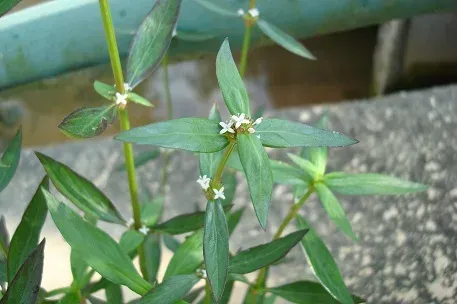
Description
Growing requirements
Spermacoce assurgens is a herbaceous plant belonging to the Rubiaceae family. It is recognized for its adaptive nature in various tropical and subtropical ecological zones.
Originating from the tropical regions of the Americas, the plant has successfully naturalized in many parts of the world where warm climates prevail throughout the year.
The crop thrives in well-drained soils rich in organic matter. Optimal growth is achieved under high humidity and temperatures ranging from 22 to 30 degrees Celsius.
Agricultural management requires careful attention to soil moisture levels, as consistent drainage is essential to prevent root development issues and ensure long-term productivity.
Adequate sunlight exposure is a key factor for the plant to reach its full potential, although partial shade can be beneficial during the initial stages of seedling establishment.
Main diseases and pests
The primary threats to this culture are fungal diseases, particularly those affecting the root system when the soil remains saturated for extended periods.
Pests such as aphids and various lepidopteran larvae may pose risks to leaf integrity, potentially reducing the overall quality of the harvested botanical material.
Cultural practices such as wide row spacing help improve airflow, which is a critical strategy in preventing the spread of fungal spores among the plants.
Integrated pest management strategies are recommended to maintain the medicinal quality of the plant while ensuring sustainable farming practices are upheld.
Regular field scouting is essential to identify early indicators of biotic stress, allowing for targeted intervention before a minor issue becomes a widespread problem.