
Spermacoce alata
Spermacoce alata Aubl.
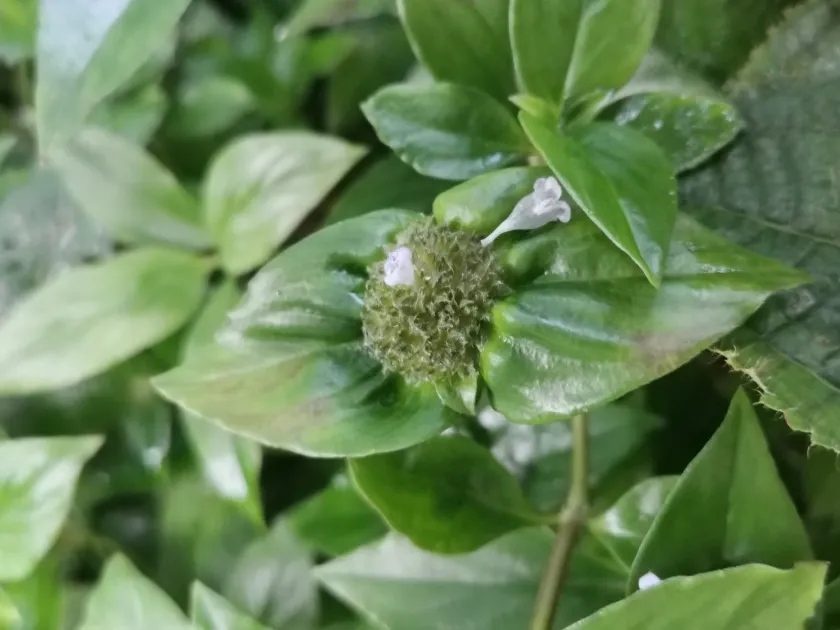
Description
Growing requirements
Spermacoce alata is a perennial herbaceous plant belonging to the Rubiaceae family, native to the tropical regions of Central and South America.
This crop thrives in warm, tropical climates and requires consistent temperatures between 22°C and 28°C to ensure optimal vegetative development.
Regarding soil conditions, it prefers fertile, well-draining soils with a slightly acidic to neutral pH, ensuring that excess water does not accumulate at the roots.
Light intensity plays a crucial role in its growth; while it prefers bright, indirect sunlight, it can adapt to partial shade under forest canopies or high-density planting.
Agricultural management involves regular irrigation to maintain soil moisture consistency and the occasional application of organic matter to sustain fertility levels.
Main diseases and pests
The primary threats to the crop include fungal pathogens that exploit high humidity and poor ventilation, often resulting in root rot or foliage blight.
Pest management focuses on controlling sucking insects such as aphids and spider mites, which can significantly damage the leaves and retard plant growth.
Crop health can be maintained through standard cultural practices, including regular weeding to prevent competition for nutrients and space within the field.
Good air circulation is essential for reducing the incidence of fungal outbreaks, particularly in regions prone to heavy tropical rains and moisture-laden air.
Due to the plant's medicinal value, chemical pesticides are often replaced by biological control methods to ensure the final product is free from hazardous residues.