
Spatholobus parviflorus
Spatholobus parviflorus
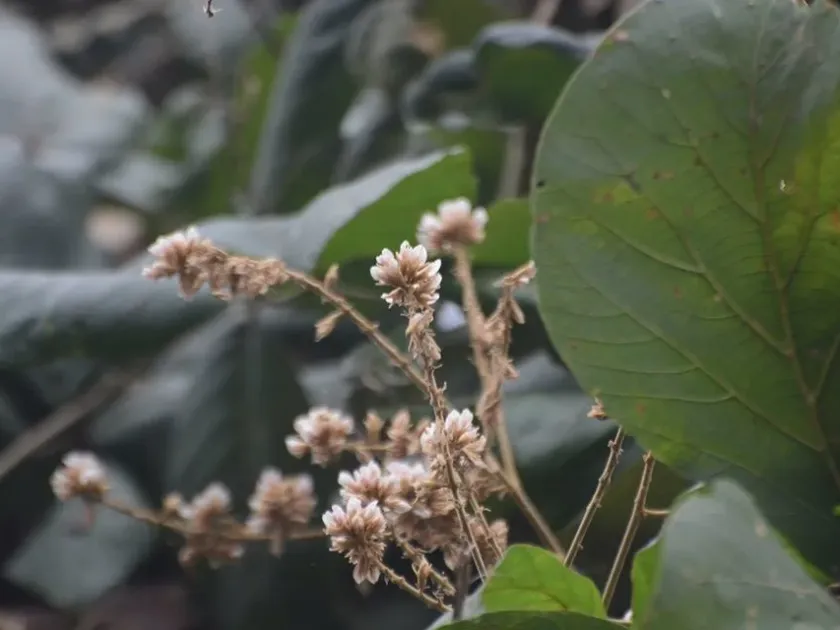
Description
Growing requirements
Spatholobus parviflorus is a woody climber belonging to the legume family, Fabaceae. It is native to the tropical forests of South and Southeast Asia, where it thrives in humid, multi-layered environments.
This crop requires a tropical climate with high, stable temperatures throughout the year. It does not tolerate cold snaps or frost, which can severely damage the plant's vascular system and halt its development.
For optimal growth, the soil must be deep, fertile, and well-drained. Sandy loams enriched with leaf mold provide the best conditions for the root system to expand and acquire nutrients from the deeper soil layers.
Agrotechnical management requires the installation of sturdy trellis systems. As the plant naturally climbs trees in the wild, artificial supports are necessary to stimulate vigorous vegetative growth and prevent fungal rot at the soil level.
High humidity levels are essential for this plant. In agricultural settings, maintaining soil moisture through consistent irrigation is critical, especially during the transition periods between wet and dry seasons in the tropical zone.
Harvesting
The primary agricultural interest in Spatholobus parviflorus lies in its stems, which are harvested for traditional medicinal purposes. These stems are widely recognized in Asian pharmacology for their therapeutic potential.
Harvesting involves the careful pruning of mature, woody vines. Sustainable harvesting practices are prioritized, ensuring that the rootstock remains healthy to facilitate regrowth and minimize the impact on the local ecosystem.
Post-harvest processing involves stripping the outer layers and cutting the stems into standard sections. These pieces are then dried under shade to preserve the integrity of the active phytochemical compounds present in the wood.
Stored material must be protected from humidity and pests to ensure its longevity. Proper ventilation is key to preventing mold, which can rapidly deteriorate the quality of the raw woody biomass.
The final product is utilized in the manufacturing of blood-invigorating remedies and herbal supplements. It remains a significant commodity in the niche market of botanical medicine and natural health products.