
Spatholobus ferrugineus
Spatholobus ferrugineus
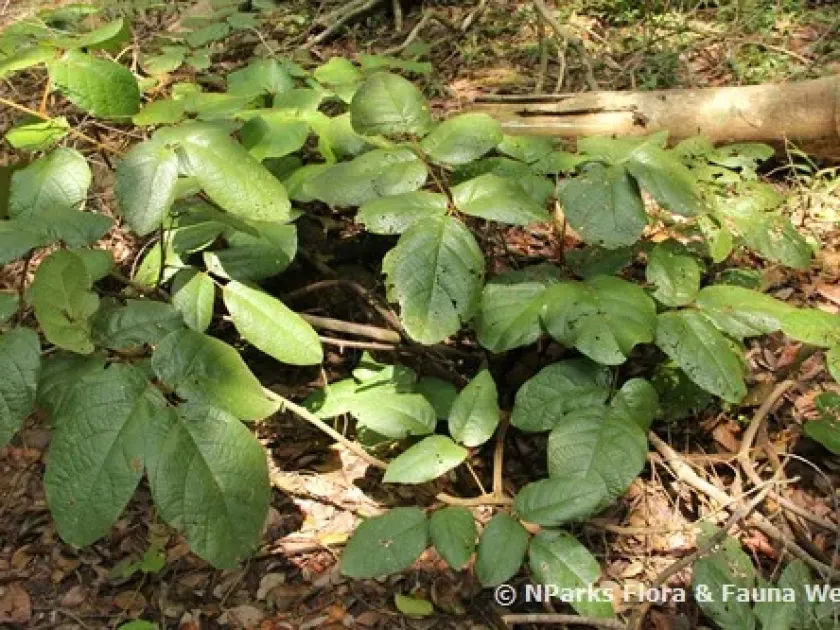
Description
Growing requirements
Spatholobus ferrugineus is a robust woody climber belonging to the legume family, Fabaceae. Originating from the tropical rainforests of Southeast Asia, this plant is well-adapted to high humidity and high-temperature environments.
Cultivation requires a tropical climate where temperatures remain consistent throughout the year. Spatholobus ferrugineus thrives in regions where rainfall is abundant, and the environment is free from frost or significant cold snaps.
The ideal soil conditions are deep, nutrient-rich loams with excellent drainage. As a climbing plant, it requires a robust support structure to grow effectively and ensure that the stems develop the necessary phytochemical density.
Agrotechnical management includes regular monitoring of moisture levels, as the plant is sensitive to water stress. Propagation is typically achieved through seeds or stem cuttings, which should be planted in nurseries before permanent translocation.
The plant is highly valued for its medicinal properties, particularly its stems and bark. These parts are processed to extract compounds used in traditional and modern medicinal formulations for circulatory health.
Main diseases and pests
Root rot is the most significant disease affecting the culture, often triggered by waterlogged soils or excessive humidity near the root collar. This can lead to rapid decay of the plant's vascular system.
Pests such as scale insects and spider mites frequently infest the foliage, especially in dense plantations. These pests suck nutrients from the vine, causing yellowing and stunted growth of the stems.
Effective management strategies include maintaining appropriate spacing between individual plants to promote good ventilation. Air circulation is essential to prevent the spread of fungal spores across the field.
Integrated pest management (IPM) is recommended to control populations of harmful insects without relying on heavy chemical interventions. Biological agents can serve as a primary defense in maintaining the health of the crop.
Weed control is critical during the establishment phase. Keeping the base of the plant free from competing vegetation ensures that the root system has access to all available nutrients and moisture.