
Spathoglottis plicata
Spathoglottis unguiculata x Spathoglottis plicata
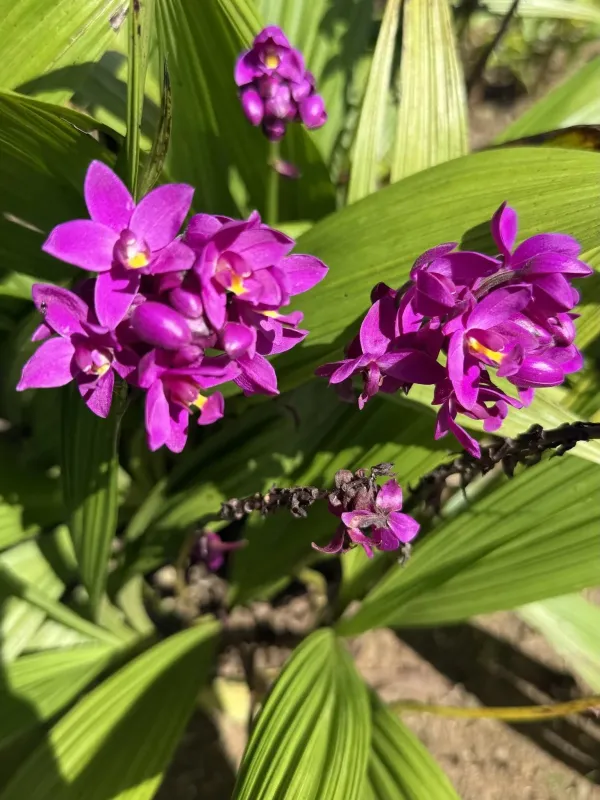
Description
Sowing dates
Spathoglottis plicata is a terrestrial orchid belonging to the Orchidaceae family, which requires specific propagation techniques to ensure healthy growth in agricultural settings.
The primary method of propagation is the vegetative division of mature pseudobulbs, which allows growers to maintain the desired characteristics of this hybrid.
Planting should be executed during the active growing season, typically when environmental temperatures are consistently warm, favoring rapid root establishment.
Before planting, division material must be treated with appropriate fungicides to minimize the risk of soil-borne pathogens attacking the freshly cut rhizomes.
Correct spacing is essential for plant health, with an optimal density of 9–12 plants per square meter to encourage air circulation and reduce micro-humidity issues.
Growing requirements
This species thrives in bright, filtered light; excessive direct sunlight can cause leaf scorching, while low light leads to reduced flowering and etiolated growth.
The growing medium must be well-draining, consisting of peat, small-grade pine bark, and perlite, ensuring that the roots have access to oxygen at all times.
Temperature management is critical, with an ideal range of 20–28 degrees Celsius, and protection from drafts or sudden cold snaps below 15 degrees Celsius.
Watering schedules should be consistent, maintaining high substrate moisture during the growing phase while allowing slight drying between waterings to prevent root rot.
Fertilization with a balanced, diluted orchid fertilizer is necessary during the peak growth period to support the development of vigorous, blooming-sized pseudobulbs.
Yield
The yield of Spathoglottis plicata is measured by the frequency and quality of flowering stems, which are highly valued in both ornamental and cut-flower markets.
Well-maintained mature plants can produce multiple flower spikes throughout the season, significantly increasing the total marketable harvest per square meter.
The duration of the flowering period is an important productivity metric, with high-quality specimens providing blooms for several consecutive weeks.
Strategic nutrient application can maximize the size and count of flower buds, directly influencing the commercial success of the cultivation cycle.
Annual or biennial division of overgrown clusters ensures that the plant remains in a highly productive state rather than becoming root-bound and stagnant.
Main diseases and pests
The most significant threats to Spathoglottis plicata include fungal diseases such as Fusarium and various soft rots, primarily caused by inadequate soil drainage.
Pests like spider mites and scale insects often infest the large, pleated leaves, necessitating early detection and targeted treatments to prevent damage.
Thrips can be particularly devastating to flower buds, causing spotting and preventing the blooms from opening correctly, which reduces the value of the crop.
Integrated Pest Management (IPM) practices, such as maintaining cleanliness and proper airflow, are essential to minimize reliance on intensive chemical applications.
- Monitor for leaf discoloration regularly.
- Maintain strict hygiene in the greenhouse.
- Ensure adequate spacing between plants.