
Spathiphyllum floribundum
Spathiphyllum floribundum (Linden & André) N. E. Br. x S. wallisii Regel
Description
Growing requirements
Spathiphyllum floribundum is a notable species within the Araceae family, highly valued in commercial floriculture. Originating from the tropical rainforests of Central and South America, this plant requires specialized conditions that mimic its native habitat to thrive.
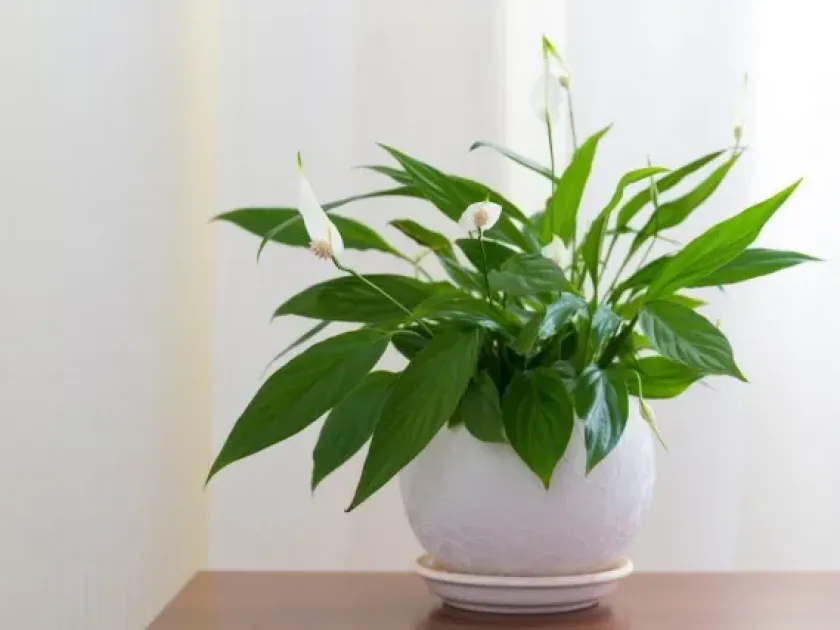
The plant features a basal rosette of deep green, lanceolate leaves emerging from a sturdy rhizome. Its primary agronomic value lies in its persistent, showy white spathe, which serves as a protective bract for the spadix inflorescence, making it a staple in the ornamental plant trade.
Cultivation requirements involve maintaining a constant warm climate, preferably between 20°C and 27°C. While the plant is shade-tolerant, commercial yields are significantly higher when providing bright, indirect light, which stimulates optimal floral induction and growth.
Soil management is crucial; the substrate must be highly porous with excellent drainage capacity to prevent waterlogging, which the plant is highly susceptible to. A typical growth medium consists of peat moss, pine bark, and perlite, ensuring an acidic pH range of 5.0 to 6.0.
Economically, Spathiphyllum species are managed as high-value potted crops for interior landscaping. They are globally recognized not only for their aesthetic appeal but also for their functional role in indoor air phytoremediation and environmental quality improvement.
Main diseases and pests
The primary pests affecting crop health are spider mites, mealybugs, and scale insects. These pests can cause significant leaf damage and weaken the plant, requiring integrated pest management (IPM) strategies to ensure plant vigor and marketability.
Pathogenic threats include root rot caused by Phytophthora or Pythium species, which are often the result of improper watering practices. Additionally, fungal leaf spots (such as Cylindrocladium) can occur in high-humidity greenhouse environments, necessitating good ventilation and fungicide applications.