
Spathiphyllum floribundum
Spathiphyllum floribundum (Linden & André) N. E. Br.
Description
Growing requirements
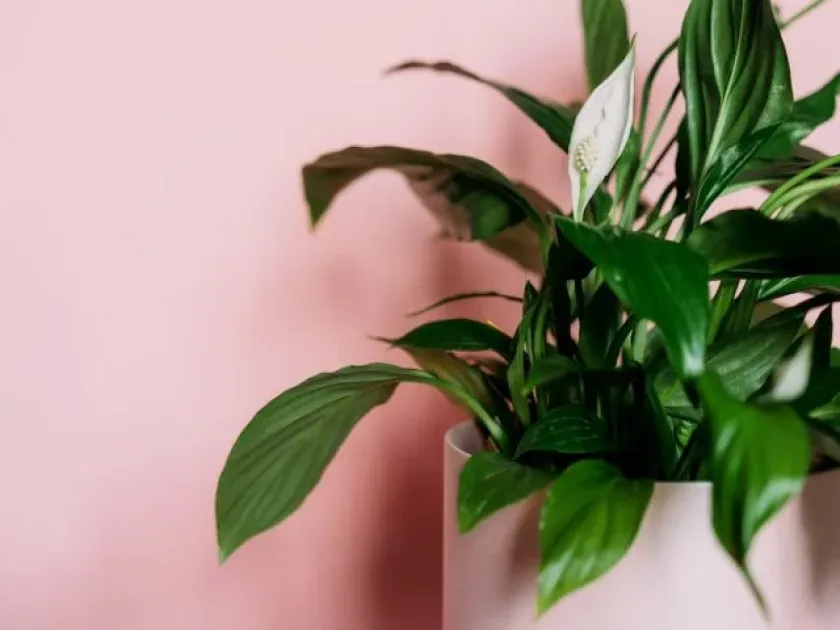
Spathiphyllum floribundum is a perennial evergreen species belonging to the Araceae family, native to the tropical rainforests of South America. It is widely recognized for its high ornamental value and has specific environmental requirements to sustain growth and consistent blooming throughout the year.
Optimal cultivation requires temperatures ranging from 18°C to 25°C. Exposure to cold drafts or temperatures below 15°C must be strictly avoided, as the plant responds poorly to thermal stress, which can lead to necrotic damage on the leaf margins and overall physiological decline.
The species thrives in bright, indirect light. Direct sunlight exposure is detrimental, often resulting in severe leaf scorch and degradation of the photosynthetic surface. Greenhouse production should utilize shading screens to maintain an appropriate light intensity level suitable for the plant's natural understory habitat.
Soil requirements focus on a high-drainage, aerated growing medium. A mixture of peat moss, perlite, and pine bark is recommended to prevent waterlogging, which the root system is particularly sensitive to. Maintaining a slightly acidic pH (between 5.5 and 6.5) is critical for efficient nutrient uptake.
Agronomic management includes a consistent irrigation schedule that keeps the substrate uniformly moist without becoming saturated. During the active growing season, liquid fertilization with balanced NPK ratios is necessary to support the energy-demanding flowering process and foliage development.
Main diseases and pests
Spathiphyllum floribundum is susceptible to common greenhouse pests such as spider mites, mealybugs, and scale insects. These pests feed on the sap and can significantly reduce plant vigor, often leading to secondary viral or fungal infections if left unmanaged.
Root and crown rot represent the most significant pathological threat to the crop. These conditions are typically caused by over-irrigation and poor drainage, which foster the growth of fungi like Pythium and Phytophthora, leading to rapid tissue decay and plant death.
- Monitor irrigation cycles to avoid water-logged conditions.
- Utilize sterilized containers and substrates to prevent soil-borne pathogens.
- Apply preventative fungicide treatments only when environmental factors increase disease risk.
- Isolate newly acquired plants to prevent the spread of infestations.
Cultural control methods, such as maintaining optimal humidity (above 60%) and regular air ventilation, are the first line of defense against pest outbreaks. Biological control agents, including predatory mites, can be effectively introduced in a greenhouse setting to manage pest populations.
In cases of severe infestation, systemic insecticides may be employed; however, caution is advised to ensure they do not phytotoxically affect the sensitive foliage. Regular sanitation of the greenhouse floor and benches is an essential step in maintaining a disease-free environment for the crop.