
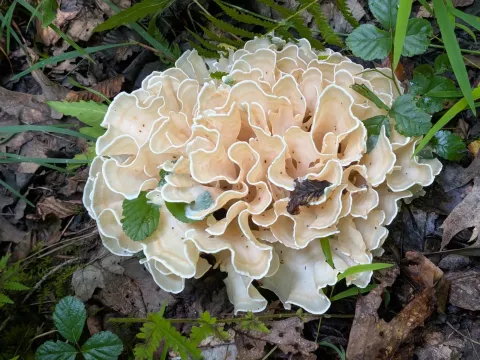
Sparassis crispa
Sparassis
Sparassis crispa, commonly known as the cauliflower mushroom, belongs to the Sparassidaceae family. In the wild, it acts as a parasitic fungus on coniferous trees, typically pines, causing brown root rot.
What the section contains


Sparassis crispa
For cultivation, the process begins with inoculating a specialized substrate composed of coniferous sawdust and wood chips, supplemented with nitrogen-rich additives like bran to boost fungal development.
The best time to initiate the cultivation process is when temperatures can be maintained consistently between 15 and 20 degrees Celsius, which is crucial for the slow-growing mycelium.
Maintaining a sterile environment during the inoculation process is essential to prevent contamination by aggressive molds that thrive in similar nutrient-rich environments.
Once the substrate is fully colonized by the mycelium, the blocks are transferred to a fruiting chamber where environmental parameters are adjusted to trigger the formation of the complex, coral-like fruiting bodies.
Optimal development of the cauliflower mushroom requires a cool environment, specifically maintaining temperatures between 12 and 18 degrees Celsius throughout the fruiting phase.
Humidity levels should be kept high, ideally between 85% and 90%. Consistent moisture is vital, as the fungus is prone to drying out, which halts growth and degrades the quality of the flesh.
Light requirements for this species are minimal; however, providing moderate, indirect light can help ensure the mushrooms develop their natural, dense structure properly.
Ventilation is a critical factor in Sparassis cultivation. The fungus is highly sensitive to carbon dioxide buildup, which can lead to deformed fruiting bodies if not managed correctly.
Proper water management requires the use of fine misting systems to provide humidity without directly saturating the fungus, which would increase the risk of bacterial contamination.
The yield of Sparassis crispa is highly dependent on the quality of the substrate and the precision of the environmental controls. On average, growers can expect 200–300 grams of mushrooms per kilogram of substrate.
Production typically occurs in flushes. After a harvest, the mycelium requires a rest period to recover energy and re-colonize the substrate before the next production cycle can begin.
A single substrate block can remain productive for several months. Maximizing yield requires the consistent use of high-quality, virulent spawn to minimize the time between flushes.
Economically, Sparassis is considered a premium culinary crop due to its unique nutty flavor and firm, meat-like texture, making it a highly profitable niche for specialized mushroom farms.
Freshly harvested produce is often destined for gourmet restaurants, where the distinct appearance and culinary versatility of the cauliflower mushroom are highly prized.
Fungus gnats and mushroom flies are the most significant pests for this crop. Their larvae can quickly compromise the integrity of the fruiting bodies, making the produce unsalable.
Competitive fungi, particularly Trichoderma species, are the primary biological threat. These aggressive molds can outcompete the Sparassis mycelium, leading to complete block failure.
Bacterial infections are a common concern in high-humidity environments, often manifesting as dark, slimy spots on the edges of the mushroom's fronds.
Integrated pest management, including rigorous sanitation of the growing room and the use of insect screens, is vital for maintaining a healthy and disease-free crop.
Regular inspection of the substrate blocks during the incubation phase allows for the early removal of contaminated units, preventing the spread of spores to healthy areas.
Harvesting should occur once the fruiting body reaches its full size and structural density, but before the edges show signs of browning or textural degradation.
Carefully cut the mushroom at the very base with a sanitized blade. This ensures the substrate remains undisturbed and minimizes the chance of lingering tissue causing rot.
Cleaning the harvested mushrooms is labor-intensive due to their complex, ruffled structure. Every effort must be made to gently remove debris without damaging the delicate fronds.
Post-harvest storage should be done at cool temperatures (2–4 degrees Celsius). Due to its high water content, the product should be brought to market quickly to ensure peak freshness.
Avoiding direct water contact during the cleaning process is crucial, as excess moisture will significantly shorten the shelf life of the cauliflower mushroom.