
Perennial sowthistle
Sonchus arvensis L.
Description
Growing requirements
Perennial sowthistle Sonchus arvensis L. is a persistent herbaceous perennial belonging to the Asteraceae family. It is recognized as a major agricultural weed worldwide due to its deep root system and high regenerative capacity.
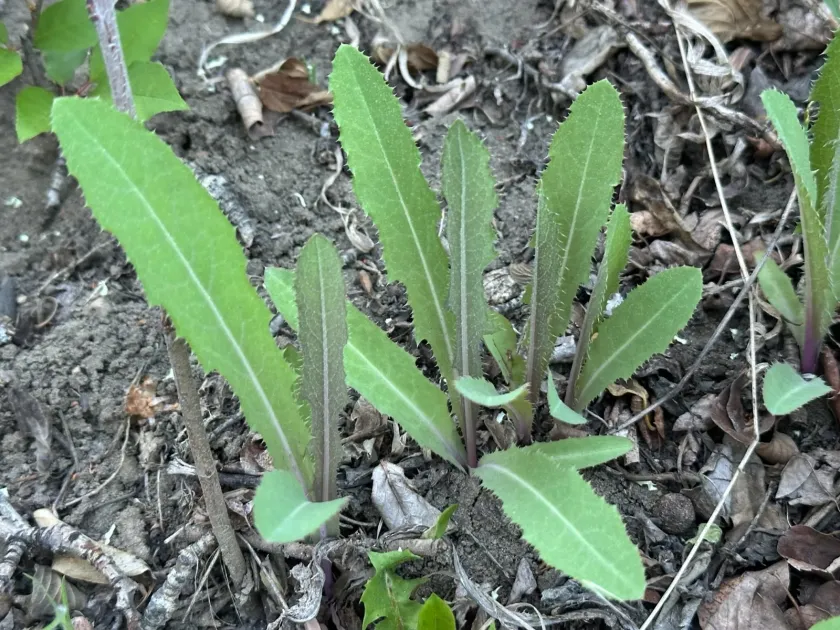
Botanically, the plant features a rosette of basal leaves and an erect, branching stem that can reach heights of up to 1.5 meters. The root system consists of extensive creeping horizontal roots that can grow deep into the soil profile.
The species is highly adaptable but thrives best in fertile, moisture-retentive soils such as clays and loams. It is notoriously difficult to eradicate because even small fragments of its roots can sprout into new plants.
Agronomic management involves a combination of mechanical and chemical practices. Deep primary tillage combined with subsequent cultivation is used to starve the root system of carbohydrate reserves.
While often viewed as a nuisance, the plant is sometimes harvested as a forage supplement for livestock, as it contains substantial levels of proteins and essential minerals when managed correctly in non-crop areas.
Main diseases and pests
Perennial sowthistle acts as a primary host for various aphids, which can vector viruses to adjacent crops, causing significant economic losses in commercial vegetable and grain production.
The weed is susceptible to numerous fungal diseases, including powdery mildew and rust, which utilize the sowthistle as a bridge host to infect cultivated agricultural crops throughout the growing season.
Pests such as seed weevils and gall-forming insects feed on different parts of the sowthistle, but their impact is generally insufficient to control the spread of this aggressive perennial weed.
Managing the weed population is critical for disease suppression. Integrated pest management strategies often include the use of selective herbicides applied at the rosette stage to ensure optimal translocation into the roots.
Preventing the weed from reaching the seed stage is equally important, as each plant is capable of producing thousands of wind-dispersed seeds that can colonize new areas within a very short time frame.