
Solenopsis minuta
Solenopsis minuta
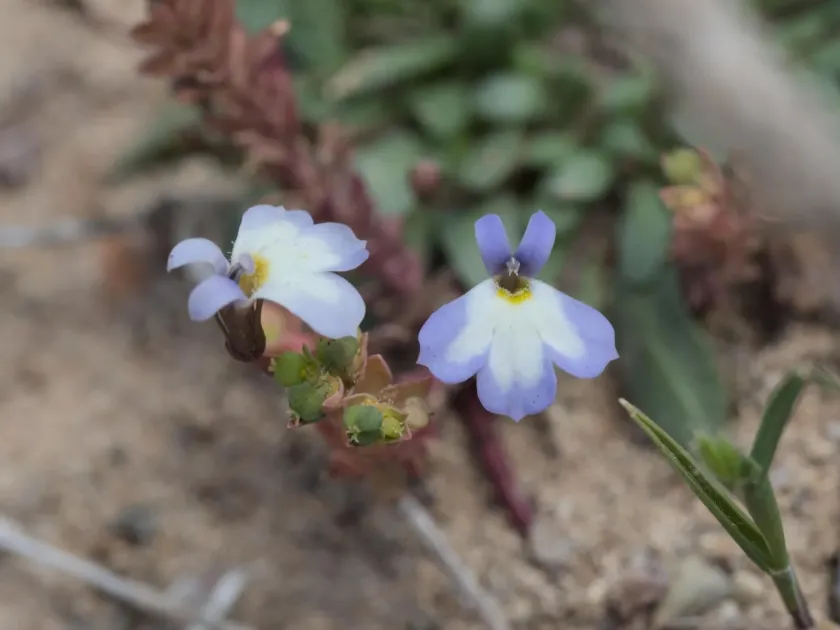
Description
Growing requirements
Solenopsis minuta is a small ant species belonging to the family Formicidae. While not a crop, it is an essential component of the soil ecosystem in various tropical and subtropical agricultural regions globally.
The species requires stable climatic conditions with high humidity and warmth to thrive. Its nesting habits are strictly tied to the moisture content of the soil, which is crucial for the development of the brood within the colony chambers.
Soil structure serves as the primary habitat for these ants. They prefer loose, aerated soils where they can construct extensive tunnel systems without significant resistance, ensuring the stability of the queen's chamber.
Colony dynamics are determined by social structure, where workers are divided based on developmental roles. This division of labor allows the species to efficiently scavenge for food resources and maintain the internal environment of the nest.
Biological adaptations of Solenopsis minuta include a high level of resilience to environmental fluctuations. They function as both scavengers and predators within their environment, contributing to the decomposition of organic matter.
Main diseases and pests
The main agricultural concern associated with Solenopsis minuta is their mutualistic relationship with honeydew-secreting insects such as aphids. They protect these pests from predators, often leading to increased crop damage.
Physical disruption of the root zone during nest building can affect the establishment of young crops. In areas with high nest density, this may result in localized growth inhibition for sensitive plant varieties.
Management practices for these ants usually involve mechanical soil cultivation to disrupt nest sites. Chemical intervention is generally discouraged unless the population density significantly threatens the economic viability of the agricultural enterprise.
Integrated pest management (IPM) strategies for these ants focus on monitoring aphid populations. By controlling the primary food source (honeydew) and the pests, the need for direct intervention against the ants is usually minimized.
Environmental stability remains the best defense. Promoting natural predators of ants and sap-sucking insects helps maintain the ecological balance and prevents any single species from reaching pest status within the managed area.