
Solenopsis laurentia
Solenopsis laurentia
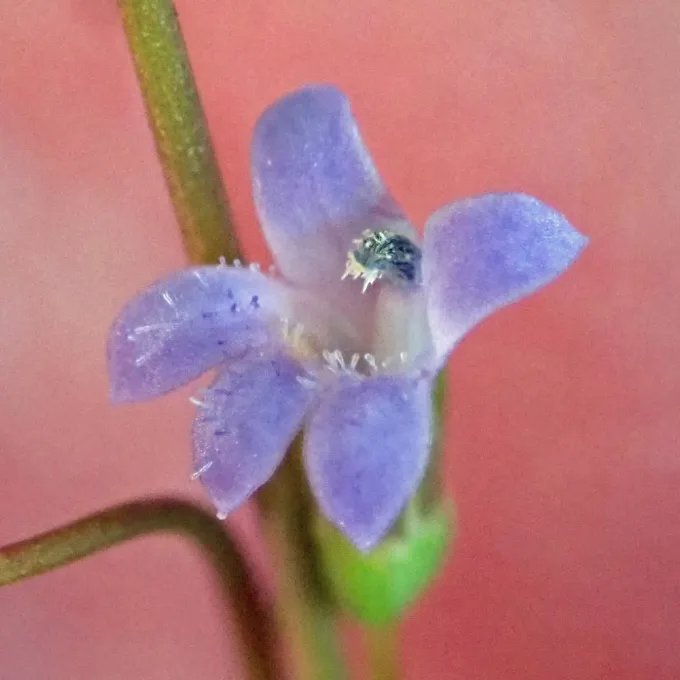
Description
Sowing dates
Sowing this crop requires strict adherence to temperature regimes, as the seeds are sensitive to early frosts. The optimal period for planting in the soil is considered when the ground has warmed up to 12-14 degrees Celsius at the seeding depth.
Depending on the cultivation region, sowing can be carried out using either row or precision drilling methods to ensure optimal nutritional space for each plant. It is important to note that excessive density leads to reduced ventilation and increases the risk of fungal infections.
The planting depth should range from 2 to 4 centimeters depending on the soil substrate type. In light sandy soils, a greater depth is permissible, while in heavy clay soils, minimum depth is necessary to facilitate germination.
Seed preparation must include mandatory treatment with broad-spectrum fungicides. This ensures primary protection of seedlings against soil-borne pathogens that can cause crop loss during the formation of the first leaf pair.
Harvesting time depends directly on the sowing date, so keeping a field observation log is recommended. On average, the period from sowing to technical maturity ranges from 90 to 120 days, depending on solar radiation intensity.
Growing requirements
The crop belongs to a family that prefers well-drained, sandy loam or light loamy soils with a neutral pH level. High acidity negatively impacts the assimilation of essential nutrients from NPK complexes.
The plant is light-loving; therefore, to achieve high yield indicators, it is necessary to select areas with minimal shading throughout the daylight hours. Lack of direct sunlight leads to stem elongation and weakened immunity.
Soil moisture requirements are moderate, but during critical growth phases, especially during vegetative mass formation, regular irrigation is required. Excessive moisture leads to root system rot and the development of bacterial rots.
Mineral fertilizer application should be phased: the bulk of nitrogen is applied before sowing, while phosphorus-potassium additives are applied during the active flowering period. Organic matter is also welcome as a base for improving soil structure.
For optimal crop development, it is important to maintain temperatures in the 20-25 degrees Celsius range. Sharp temperature fluctuations between day and night can cause plant stress and delay biological development processes.
Yield
Average yield of the crop, provided all agronomic standards are met, ranges from 30 to 45 centners per hectare. The figure strongly depends on seed quality and the level of production intensification in the farm.
Maximum results are achieved in irrigated areas where stable soil moisture control is ensured throughout the entire vegetation period. In drought years, yield can decrease by 30-50% without the use of modern reclamation methods.
Indicators are also influenced by proper crop rotation: the best predecessors for this crop are legumes and winter cereals. Monoculture farming on the same field is unacceptable as it depletes micronutrient reserves.
The quality of the harvested raw material is determined by dry matter content and impurity levels. Post-harvest processing includes cleaning and drying to 14% moisture, ensuring long-term storage without spoilage.
Economic efficiency of cultivation is determined by the balance between costs for plant protection products, fertilizers, and final market price per ton. With the right approach, the crop's profitability remains high.
Main diseases and pests
The main threats to the crop are fungal diseases such as root rot and powdery mildew. Pathogens often activate in high humidity and low-temperature conditions.
Among pests, larvae of soil insects cause the most damage by chewing on the roots of young plants. Preventive measures include deep autumn plowing of the field and the use of insecticidal seed treatments.
To combat the spread of pathogens, it is necessary to strictly adhere to phytosanitary standards and promptly remove infected specimens. It is also important to carry out preventive spraying of crops with fungicides during epiphytotic periods.
Leaf pests, such as aphids and thrips, can carry viral diseases that are practically untreatable. Controlling the population of these insects is carried out using contact-systemic insecticides.
Regular monitoring of crop status is a key protection factor. Inspecting fields at least once a week allows for the detection of infection hotspots at an early stage, minimizing pesticide use through targeted spot treatments.
Harvesting
Harvesting begins when the crop reaches full physiological maturity, which is visually determined by the change in vegetative mass color and a decrease in grain moisture. Delayed harvesting leads to seed shattering.
Combines equipped with specialized headers that minimize harvest losses are used. Tuning the threshing and separation device is crucial to preserve fruit integrity and prevent cracking.
In unfavorable weather conditions, desiccation—pre-harvest drying of plants on the root using chemical agents—is permitted. This allows for accelerated ripening and simplifies the threshing process.
After harvesting, the product must undergo a mandatory primary cleaning stage on grain cleaning machines. Removal of impurities is a mandatory condition for delivery to warehouses or elevators.
Proper storage requires creating conditions that exclude rodents and mold development. Storage facilities must undergo periodic disinfection and have an effective natural or forced ventilation system.