
Siphonostegia laeta
Siphonostegia laeta
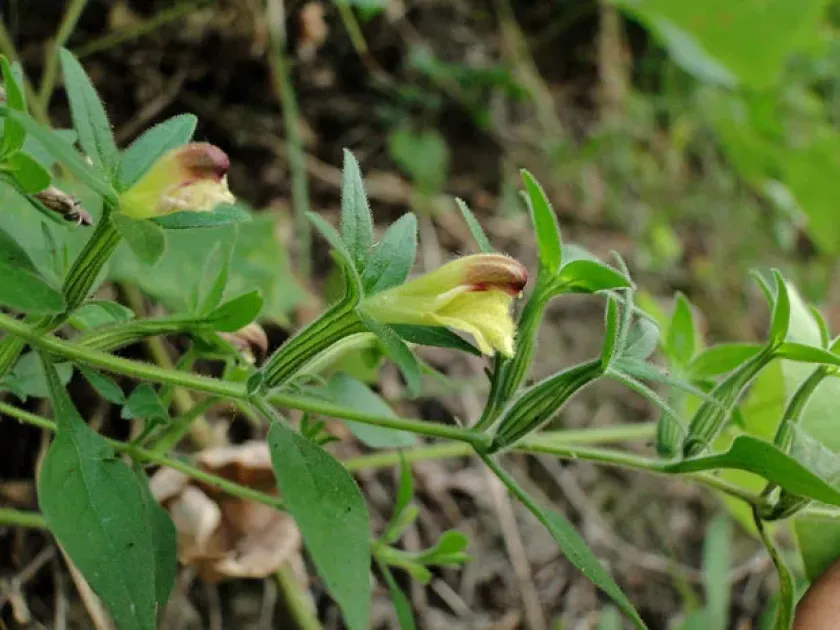
Description
Sowing dates
Siphonostegia laeta belongs to the genus of plants in the Orobanchaceae family. This culture is a hemiparasitic herbaceous plant, which dictates the specifics of its agrotechnical life cycle.
Sowing this species requires consideration of its biological peculiarity—the ability for hemiparasitism, where the plant's roots attach to the roots of host plants to obtain nutrients.
Successful seed germination requires preliminary stratification or adherence to specific temperature regimes that mimic the natural habitat conditions in the Asian region.
The optimal time for sowing seeds is during the spring, when the soil is sufficiently warmed and the host plant is in an active phase of vegetation.
During cultivation, it is important to ensure the presence of suitable host species in close proximity to the root system of Siphonostegia to ensure normal growth and development.
Growing requirements
The plant prefers well-drained, slightly acidic, or neutral soils rich in humus, which allow the root system to effectively interact with the substrate.
The culture is quite demanding regarding light and prefers open areas with intense sunlight, although it can tolerate slight shading during midday hours.
Soil moisture must be moderate, as excessive waterlogging can lead to root rot and disruption of symbiotic connections.
Climatic preferences for Siphonostegia laeta include regions with moderate heat and no sudden temperature fluctuations during the active flowering period.
In agrotechnical terms, it is important to control the cleanliness of the crops, as weeds can compete for light and nutritional resources necessary for the development of the hemiparasite.
Main diseases and pests
The main threats to the culture are associated with fungal diseases that develop in conditions of high air humidity and poor air circulation within the crops.
Root rots, caused by soil pathogens, are the most frequent, which is particularly dangerous for plants weakened by improper irrigation regimes.
Pests affecting the aerial part include various leaf-eating insects capable of significantly reducing the plant's photosynthetic activity.
To prevent the spread of pests, it is recommended to carry out preventive treatments with biological preparations that do not harm the delicate plant ecosystem.
Also, fighting viral infections transmitted by insect vectors plays an important role, as they can significantly reduce overall yield and biomass quality.