
Siphonostegia chinensis
Siphonostegia chinensis
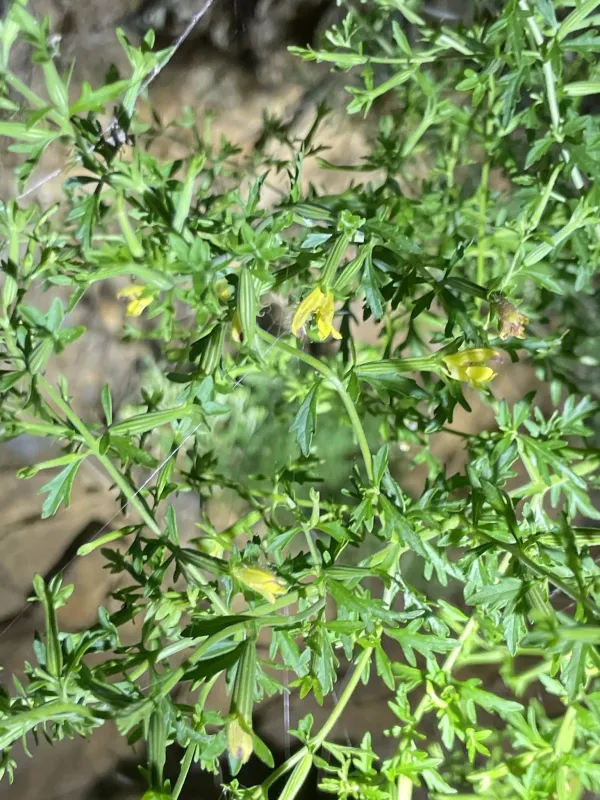
Description
Sowing dates
Siphonostegia chinensis is a member of the Orobanchaceae family known for its hemiparasitic nature. Successful propagation relies on the presence of suitable host plants to which the seedlings can attach their haustoria shortly after germination.
The sowing process is best timed for early spring, allowing the plants to establish a stable connection with host root systems before the onset of summer heat. Seeds should be placed in well-aerated soil to ensure optimal contact with host roots.
Shallow depth sowing is recommended to prevent seed decay while providing necessary moisture retention. Proper hydration during the initial weeks is critical for the survival of emerging seedlings as they seek host roots.
In research settings, managing the host plant density is vital for the development of Siphonostegia. Providing a diverse host population can significantly improve the survival rate and subsequent growth of the crop.
Harvesting seeds requires careful monitoring of the capsule maturity. Once the capsules turn brown, they should be gathered promptly to prevent natural dispersal, as the seeds are small and easily lost in the field environment.
Growing requirements
This species thrives in open, sunny environments where it can access sufficient light for photosynthesis. It requires a balanced ecological setting that includes native grasses or shrubs acting as suitable host organisms.
The soil should be light and well-drained. Siphonostegia chinensis does not tolerate waterlogging, which often leads to the degradation of its specialized attachment organs and overall susceptibility to secondary pathogens.
Climate requirements align with temperate to subtropical regions. The plant displays resilience to moderate temperature fluctuations, although it performs best under stable seasonal conditions typical of its natural range.
Soil pH should remain near neutral. While the plant derives essential nutrients from its hosts, the substrate's chemical composition still influences the vigor of the host plant, thereby indirectly affecting the parasite's development.
Regular maintenance involves weeding around the host plants to ensure they remain strong and capable of supporting the hemiparasite. Excessive synthetic fertilization should be avoided to prevent disrupting the natural signaling between the parasite and host.
Main diseases and pests
Fungal diseases, particularly those affecting root systems, represent the most significant threat to Siphonostegia chinensis. High soil moisture combined with poor drainage creates a favorable environment for pathogens to infect the haustorial links.
Root-knot nematodes can weaken the host plants, directly depriving the hemiparasite of necessary water and mineral uptake. Control strategies must be integrated, focusing on maintaining host health to support the dependent species.
Herbivorous insects, such as caterpillars and beetles, frequently feed on the foliage during the vegetative stage. This mechanical damage reduces the plant's metabolic capacity, which is essential for successful seed maturation.
Competition from aggressive, non-host weed species can significantly suppress the growth of the population. Proper site preparation and selective weeding are essential for maintaining the health of the Siphonostegia colony.
Environmental stress, specifically late frosts or prolonged drought during the early growth phases, can lead to severe losses. Providing supplemental irrigation during dry periods is often necessary for industrial-scale cultivation efforts.