
Sinocrassula yunnanensis
Sinocrassula yunnanensis
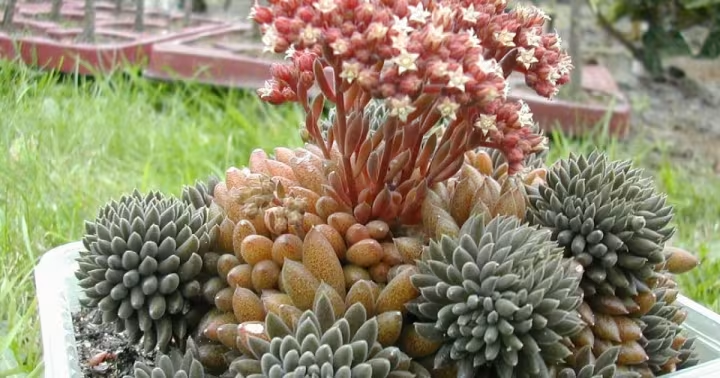
Description
Growing requirements
Sinocrassula yunnanensis is a fascinating succulent species belonging to the Crassulaceae family. Native to the mountainous regions of Yunnan, China, this plant has evolved to thrive in rocky, well-draining environments with limited water resources.
The plant is best known for its deep, dark purple to blackish succulent leaves, which grow in tight, rosette-like clusters. The foliage texture is often slightly pubescent, giving it a soft, velvety appearance that distinguishes it from other common succulents.
Successful cultivation requires bright, filtered sunlight. While the plant appreciates good light levels to maintain its characteristic dark color, direct afternoon sun can cause leaf scorching. A position near a bright window with diffused light is ideal.
The soil must be extremely porous to ensure quick drainage. A standard succulent mix augmented with coarse sand, pumice, or perlite is recommended to prevent water retention around the roots, which is the primary cause of decline for this species.
Watering should be performed using the soak-and-dry method, allowing the substrate to dry out completely between sessions. During the winter dormancy period, watering should be significantly reduced to mimic the plant's natural climate cycles.
Main diseases and pests
The most significant threat to Sinocrassula yunnanensis is root rot, typically caused by overwatering. Excess moisture in the soil prevents root respiration and promotes the growth of fungi that decay the underground parts of the plant.
Mealybugs are the most common pests, often hiding within the dense centers of the leaf rosettes. They feed on plant sap and can weaken the succulent if not treated promptly with systemic insecticides or mechanical removal.
Spider mites may become an issue in environments with low humidity and poor ventilation. These microscopic pests create fine webs and can cause stippling on the leaves, leading to aesthetic damage and physiological stress.
Proper airflow is essential to prevent fungal infections such as botrytis or powdery mildew. Ensuring that the rosettes stay dry after watering is a critical measure to avoid rot-inducing pathogens from settling on the foliage.
Regular monitoring is key to maintaining a healthy collection. By inspecting the rosettes for pests and ensuring the growing medium remains light and airy, gardeners can successfully propagate and enjoy this unique botanical species for years.