
Sincoraea navioides
Sincoraea navioides
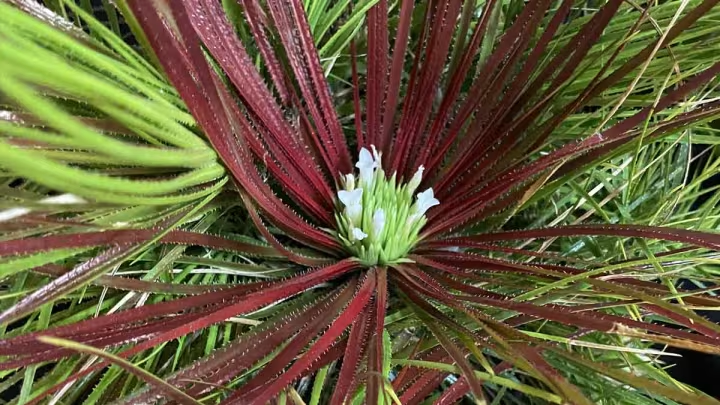
Description
Sowing dates
Sowing seeds of Sincoraea navioides is a process that requires patience and strict adherence to moisture control. Spring is the most suitable time for sowing, as the increasing light intensity promotes germination.
Seeds should be spread over a substrate consisting of fine peat, perlite, and milled pine bark. It is crucial not to cover the seeds heavily, as they need light to initiate the germination process effectively.
Maintaining a constant temperature of approximately 24 degrees Celsius is vital for achieving a high percentage of germination. Covering the container with a transparent material helps to maintain a stable microclimate.
The transition from a nursery container to individual pots should be handled with extreme care to avoid damaging the delicate root system. Roots of this species are sensitive to disturbances and prefer to be slightly root-bound.
As the plant grows, its morphological traits begin to manifest, including the formation of the characteristic tight rosette. Regular monitoring for hydration levels in the substrate is necessary during the first year of life.
Growing requirements
Sincoraea navioides, a member of the Bromeliaceae family, originates from the rocky habitats of Brazil. It requires high light conditions to maintain its compact growth habit and vibrant leaf coloration.
The substrate must be extremely well-draining, mimicking the rocky outcrops where the plant is native. A mix of pumice, coarse bark, and a small amount of sphagnum moss provides the ideal balance of aeration and moisture.
Temperature management is straightforward, as the plant thrives in temperatures between 18 and 30 degrees Celsius. It can tolerate short periods of heat, provided there is adequate airflow around the foliage.
Watering should be done by applying water directly to the substrate and occasionally into the central tank formed by the leaves. It is essential to ensure that the water is low in mineral content to prevent salt accumulation.
Fertilization should be kept to a minimum during the winter months when the light levels are lower. During the growing season, a dilute, balanced liquid fertilizer applied to the soil ensures steady nutrient availability.
Main diseases and pests
Pests such as mealybugs and scale insects represent the most significant threat to Sincoraea navioides. They hide deep within the leaf base, making manual removal or insecticide application challenging.
Root rot is the most common physiological disorder caused by overwatering or using an unsuitable, heavy soil mix. Once the roots start to decay, the plant struggles to recover, often leading to total loss.
Environmental stress, particularly low humidity combined with high temperatures, can weaken the plant and make it susceptible to opportunistic fungal attacks. Regular misting or the use of humidifiers is recommended.
Proper sanitation in the growing area is essential to prevent the spread of diseases. Removing old, decaying leaves from the bottom of the rosette helps maintain airflow and reduces the risk of fungal spores settling.
Integrated pest management strategies, involving the use of insecticidal soaps and biological control agents, are the most effective way to protect the crop without damaging its sensitive tissues.