
Simsia grandiflora
Simsia grandiflora
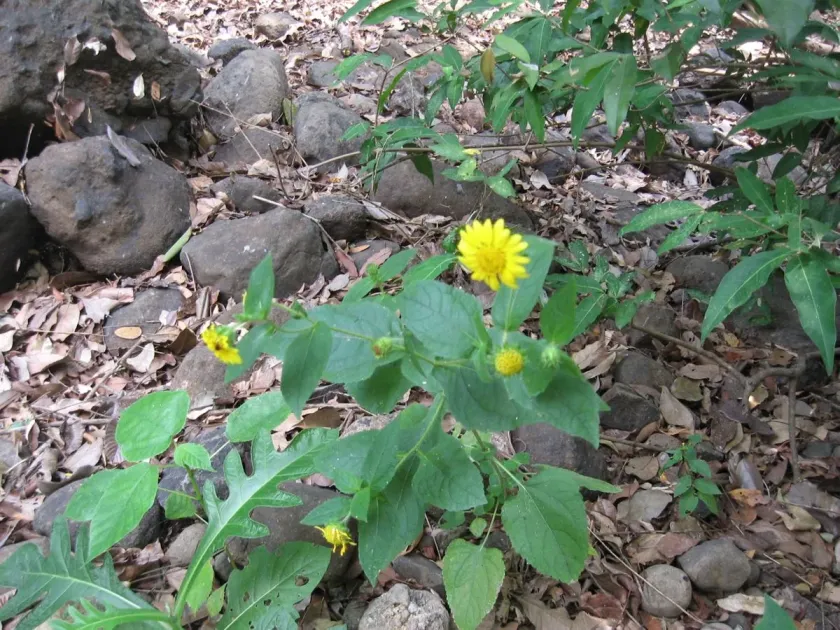
Description
Sowing dates
Simsia grandiflora is a distinct member of the Asteraceae family, recognized for its robust growth habit. Successful cultivation begins with precise sowing practices tailored to the specific environmental needs of the species.
The optimal sowing time is when the soil temperature consistently reaches at least 15 to 18 degrees Celsius. This ensures rapid germination and helps the seedlings establish strong root systems before any potential heat or water stress occurs.
Seeds should be sown at a depth of approximately 2-3 centimeters in well-prepared, friable soil. Maintaining adequate row spacing is essential to allow for mechanical weed control and proper airflow throughout the canopy.
The crop displays high initial growth vigor, which allows it to cover the ground quickly. This biological characteristic provides a natural suppression mechanism against competing weed species within the field.
Uniform stand establishment is a critical factor for final performance. Ensuring even seed distribution and sufficient soil-to-seed contact via light rolling after sowing helps optimize the density of the crop stand.
Growing requirements
Originating from the Americas, Simsia grandiflora is well-adapted to warm climates with distinct growing seasons. It thrives in open, sun-exposed environments where full light exposure supports its rapid biomass development.
Regarding soil preferences, the plant performs best in well-drained, fertile loamy soils. A pH range between 6.5 and 7.5 is considered ideal for nutrient uptake and overall plant health, minimizing the risk of micronutrient deficiencies.
While the species exhibits moderate drought tolerance, adequate moisture is required during the vegetative phase to reach its maximum yield potential. Supplemental irrigation is advised in regions with erratic rainfall patterns.
Nutrient management should focus on a balanced application of nitrogen, phosphorus, and potassium. Organic amendments such as compost can improve soil structure and water-holding capacity, favoring long-term productivity.
Regular cultivation between rows is beneficial to prevent soil crusting and improve oxygen availability to the roots. This practice is especially important after heavy rain events that tend to compact the surface layers.
Main diseases and pests
The crop can be susceptible to common Asteraceae diseases, particularly under conditions of high humidity or poor ventilation. Powdery mildew represents a primary concern that can affect leaf quality if left unmanaged.
Insect pests, such as aphids, are frequent visitors that damage tender shoots and foliage. Early detection of these pests is essential to prevent significant growth suppression and to protect the photosynthetic capacity of the plants.
An integrated pest management approach is the most sustainable method for protecting Simsia grandiflora. This includes using resistant varieties where available and implementing crop rotation strategies to break pest life cycles.
Maintaining field hygiene, including the removal of infected plant debris after harvest, helps in reducing inoculum levels for the following season. Regular scouting and monitoring are key components of a proactive health strategy.
Biocontrol agents and specific horticultural soaps can be effective tools for managing minor infestations without disrupting the local ecosystem. Chemical applications should always be reserved as a last resort in professional agronomy.