
Simsia amplexicaulis
Simsia amplexicaulis
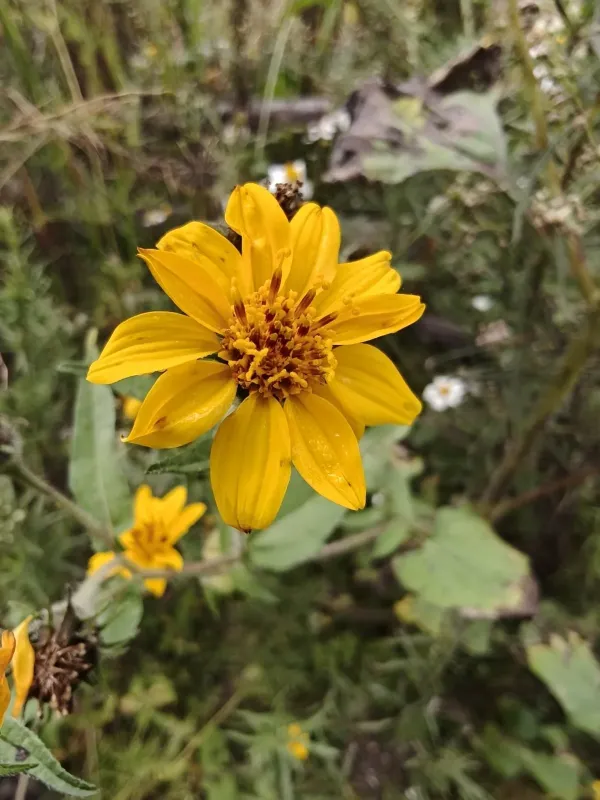
Description
Sowing dates
Simsia amplexicaulis is an herbaceous annual plant belonging to the Asteraceae family, valued for its rapid growth cycle and adaptability to various environmental conditions.
The optimal sowing time begins in mid-spring, ensuring that soil temperatures remain consistently above the critical threshold required for seed germination.
Seeds should be sown at a shallow depth, typically 1–2 cm, as they respond positively to light exposure which is vital for triggering the germination process.
Standard agronomic practices suggest a specific row spacing to ensure adequate airflow and light penetration, which are essential for maintaining plant health throughout the season.
Pre-treatment of seeds and the use of healthy, well-developed planting material can significantly enhance the uniformity of the crop emergence and subsequent plant development.
Growing requirements
This crop prefers well-drained, fertile soils with a neutral pH, and it performs best in locations that offer full sun exposure throughout the day.
While the species is notably drought-tolerant once established, supplemental irrigation during the flowering stage is highly recommended to maximize yield potential.
Soil structure should be friable, allowing roots to penetrate easily and access moisture stored in the deeper horizons, especially in arid farming environments.
Nutrient management should focus on a balanced NPK ratio, with specific attention paid to potassium during the reproductive phase to enhance flower quality.
Proper weed control is essential in the early stages, as the plant can be sensitive to competition for nutrients and space during its initial establishment period.
Main diseases and pests
The primary pests affecting the crop include various aphid species that tend to congregate on young shoots, potentially causing plant stress and yield reduction.
Fungal diseases like powdery mildew can become a significant issue during periods of high humidity and poor ventilation, necessitating diligent crop monitoring.
Root rot pathogens may thrive in waterlogged soil conditions, making drainage management a critical component of the overall disease prevention strategy.
Integrated Pest Management (IPM) practices should be employed to mitigate damage from leaf-feeding insects while preserving populations of beneficial predatory insects.
Regular scouting and early intervention remain the most effective methods to manage outbreaks and maintain the economic viability of the agricultural production.
Harvesting
The harvesting stage is critical for ensuring the quality of the harvested produce, typically occurring once the seed heads reach physiological maturity.
Visual indicators such as the darkening of the involucre and the ease of seed detachment are standard markers for determining the optimal timing for harvest.
Mechanized harvesting equipment must be carefully calibrated to minimize seed loss and ensure the integrity of the collected material during the threshing process.
Post-harvest handling requires rapid drying to prevent moisture-related quality degradation, such as molding or secondary germination of the collected seeds.
Proper storage conditions, characterized by low humidity and cool temperatures, are necessary to maintain seed viability and product quality for long-term storage.