
Silver buffaloberry
Shepherdia argentea (Pursh) Nutt.
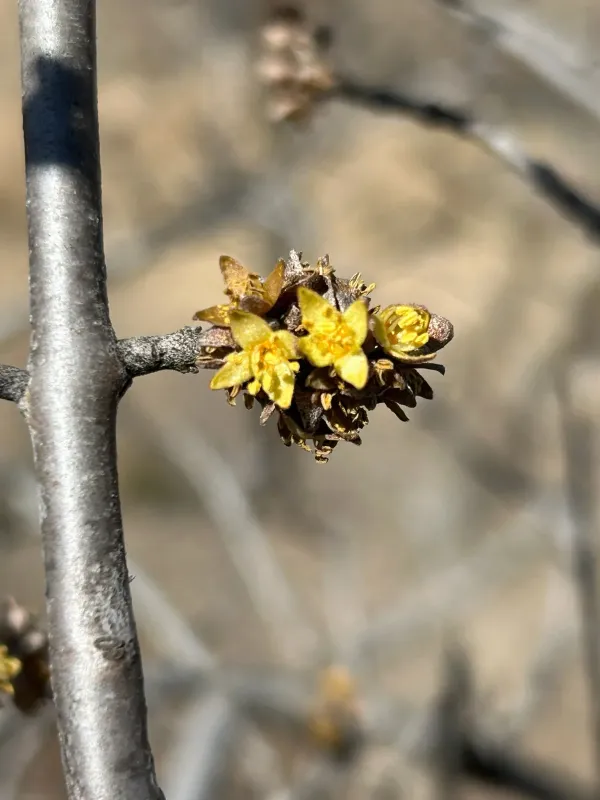
Description
Sowing dates
The silver buffaloberry belongs to the Elaeagnaceae family and is a deciduous shrub or small tree, reaching heights of 3 to 6 meters. Propagation is primarily done through seeds, which require a cold stratification period of two to three months before sowing in either late autumn or early spring.
Vegetative propagation is commonly performed using softwood cuttings in early summer or by separating root suckers. Due to its vigorous root system and tendency to spread, it is often planted with a spacing of 2 to 3 meters between individual bushes.
As a dioecious plant, the silver buffaloberry requires both male and female plants to be present in the orchard to ensure successful pollination and fruit set. A typical ratio for healthy cultivation is one male plant for every five female plants.
Native to North America, this species is well-adapted to harsh environments, including prairies and semi-arid regions. It forms a symbiotic relationship with nitrogen-fixing bacteria on its roots, allowing it to thrive in poor, nutrient-deficient soils where other crops might fail.
The plant is highly drought-resistant, thanks to its silver-toned leaves covered in dense scales. This unique foliage helps the shrub minimize water loss through transpiration, making it an excellent choice for xeriscaping and windbreaks.
Growing requirements
Silver buffaloberry is remarkably undemanding regarding soil quality. It prefers well-drained sandy or loamy soils but can tolerate alkaline and even slightly saline ground conditions, provided the site is not prone to waterlogging.
This species is strictly photophilous and requires full sun to achieve optimal growth and fruit production. Planting in shaded areas will result in sparse foliage and a dramatic reduction in berry yields, often rendering the bushes purely decorative.
Watering is only critical during the establishment phase for young saplings. Once matured, the deep root system allows the plant to access groundwater, making it largely independent of manual irrigation in temperate climates.
Fertilization is rarely necessary and should be kept to a minimum. Excess nitrogen can encourage excessive vegetative growth, which may decrease the energy the plant allocates toward fruit production, therefore organic mulch is sufficient.
Regular pruning is required to maintain the shape of the shrub and prevent it from becoming an unmanageable thicket. Removing the suckers and old, unproductive branches ensures better air circulation and light penetration throughout the canopy.
Yield
The shrub typically begins to bear fruit between 3 and 5 years after planting from seed. Under ideal conditions, a mature, healthy specimen can yield between 10 and 15 kilograms of berries per season.
The fruits are tart, bright red drupes known for their high vitamin C and antioxidant content. They are highly valued in food processing for creating jams, jellies, and juices, often balanced with sweeteners to offset their natural acidity.
Yield stability is dependent on favorable weather during the flowering period. Frost or excessive rain during spring can hinder pollinating insects, leading to significantly lower fruit sets for the year.
Beyond its agricultural value, the silver buffaloberry is extensively used in landscaping. Its thorny nature makes it an excellent choice for impenetrable hedges, while its vibrant fruit provides a visual interest that persists into late autumn.
To maximize yields, maintain a regular schedule of rejuvenation pruning. Removing wood that is over 5-7 years old encourages the growth of vigorous new stems that will bear larger and more frequent fruit clusters.
Main diseases and pests
The silver buffaloberry is remarkably robust and displays high resistance to most common orchard diseases. Its ability to thrive in its native habitat without intervention makes it a low-maintenance choice for sustainable agriculture.
Root rot is the primary physiological risk, occurring only if the plant is grown in heavy, poorly drained clay soils where moisture persists. Careful site selection and ensuring proper drainage at the time of planting are the best preventative measures.
Pests rarely pose a significant threat to the plant's survival or yield. Occasional aphid outbreaks may occur on tender shoots, but these are generally kept in check by natural predators within the ecosystem, eliminating the need for pesticides.
The most persistent challenge for the grower is bird predation. Since the berries are a primary food source for local bird populations in late summer, protective netting is often necessary to secure a harvest for human consumption.
Good orchard hygiene, such as clearing away debris and dead branches, helps maintain the overall health of the planting. The shrub's inherent hardiness ensures it remains a productive part of the landscape for many years.
Harvesting
Harvesting usually occurs in late August or September when the berries turn deep red and begin to show small white spots on their skin. This indicates that the fruit has reached its peak sugar levels and is ready for collection.
The most efficient harvesting method involves shaking the branches and allowing the berries to fall onto a drop cloth spread beneath the shrub. This technique is preferred due to the sharp thorns on the branches, which make manual picking difficult.
Fresh berries are highly perishable due to their soft texture and must be processed or frozen within 24 hours of harvest. Freezing is the best way to retain their nutritional profile for off-season culinary applications.
Operators should always wear protective gloves and thick clothing when working near the shrubs. The thorns are sharp and can easily cause skin abrasions, so safety precautions are essential during maintenance and harvest tasks.
Post-harvest care involves a final deep watering if the autumn is dry and the application of a fresh layer of mulch. This prepares the shrub for dormancy, helping it conserve energy to produce healthy buds for the following year.