
Silaum alpestre
Silaum alpestre
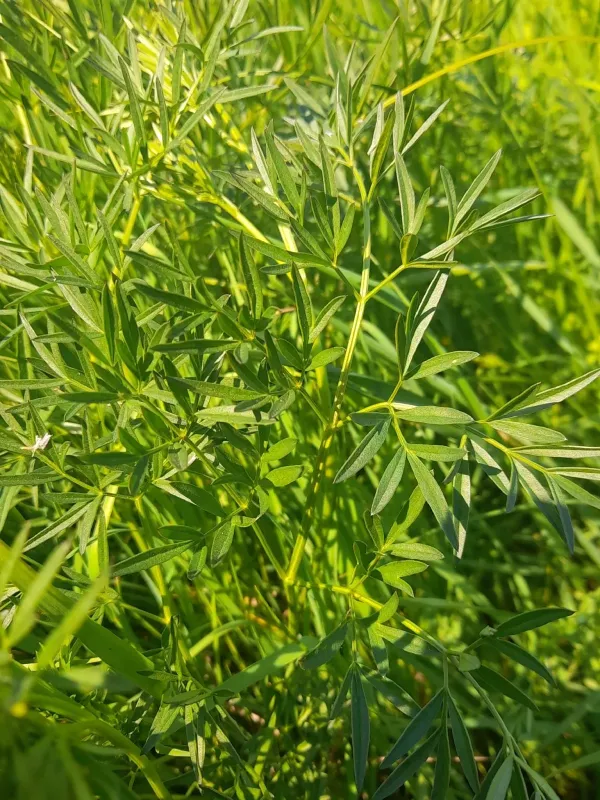
Description
Growing requirements
Silaum alpestre is a perennial herbaceous plant belonging to the Apiaceae family. It is recognized for its unique essential oil profile and is currently studied for its potential applications in both the pharmaceutical and cosmetic industries.
The crop thrives in temperate climates with well-drained, nutrient-rich soils. It prefers loam or sandy loam types that provide consistent moisture without waterlogging, which is critical for healthy root system development.
Botanically, it features pinnate leaves and intricate compound umbels, typical of the carrot family. Its life cycle allows for long-term production, as the plant can persist in the soil for many years under proper maintenance conditions.
Regarding its natural range, Silaum alpestre is native to mountainous and sub-alpine regions of Europe. It has evolved to withstand seasonal fluctuations in temperature, showing high resilience against frost in winter periods.
Standard agronomic practices require systematic weeding, especially during the first year of vegetation. Growers should ensure optimal light exposure to maximize the production of secondary metabolites in the foliage and seeds.
Main diseases and pests
The main phytopathological challenges involve fungal diseases such as powdery mildew and various types of rust. These diseases often emerge when air circulation is poor, necessitating regular canopy management.
Pest management should focus on common Apiaceae feeders such as carrot flies and aphids. Implementing integrated pest management (IPM) strategies, including the use of pheromone traps, proves highly effective in maintaining crop health.