
Polemonium pulcherrimum
Polemonium pulcherrimum
Description
Sowing dates
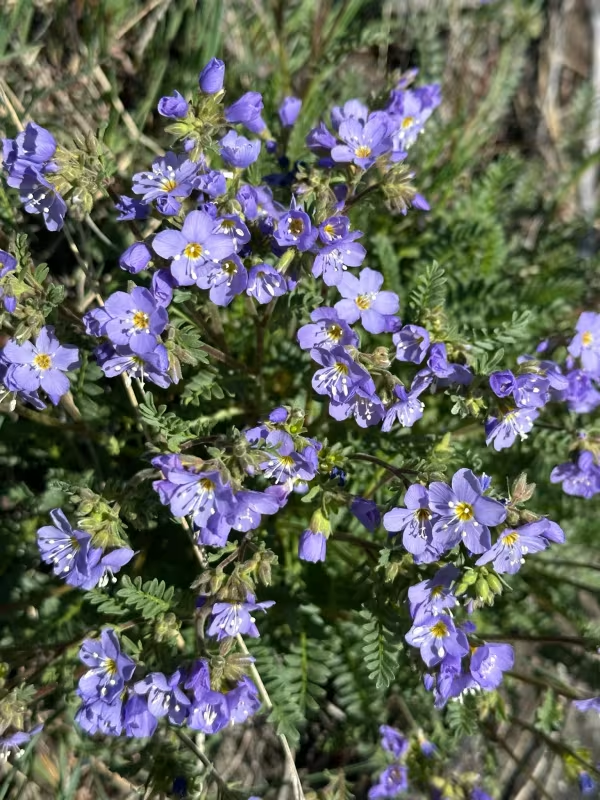
Polemonium pulcherrimum is a herbaceous perennial belonging to the Polemoniaceae family, known for its beautiful foliage and vibrant blossoms.
Seeds are typically sown in late autumn for winter stratification or in early spring after being pre-chilled in a refrigerator to ensure uniform germination.
When starting indoors, seeds should be sown in trays filled with a sterile growing medium, barely covering them with a thin layer of soil.
Germination usually takes about 2–4 weeks at a temperature of approximately 15–18 degrees Celsius, requiring a consistent moisture level.
Seedlings are ready for transplanting once they develop two sets of true leaves, spacing them about 25 centimeters apart in the garden bed.
Growing requirements
Native to rocky mountainous regions, this plant thrives in cool to temperate climates, showing significant resilience to low temperatures.
The ideal planting site receives full morning sun but benefits from light afternoon shade in warmer zones to prevent leaf scorch.
Well-drained, gritty, or loamy soil is essential for the plant’s longevity, as it does not tolerate heavy clay or waterlogged ground.
Regular maintenance involves keeping the soil slightly moist, especially during the first growing season, while allowing for adequate drainage.
It prefers neutral to slightly acidic soil conditions and benefits from the application of organic mulch to keep the roots cool.
Main diseases and pests
Root rot caused by Phytophthora or Pythium species is the most common threat when the drainage is insufficient or soil humidity is too high.
Pests like aphids and spider mites may occasionally infest the plants, particularly during dry spells, which necessitates monitoring and occasional treatment.
Slugs and snails can cause damage to tender new growth, making it advisable to use deterrents around the base of the plants.
Fungal diseases such as powdery mildew can be managed by ensuring proper plant spacing to facilitate air circulation throughout the foliage.
Good agricultural practices, such as removing debris and avoiding overhead watering, significantly reduce the risk of common disease outbreaks.
Harvesting
The aerial parts of the plant are harvested for medicinal purposes when the plant is in full bloom to maximize the extraction of active compounds.
When harvesting the whole plant, it is cut at the base, leaving enough foliage to allow the root system to recover for the following season.
Rhizomes intended for herbal use are harvested in the autumn after the plant has gone dormant and the nutrients have returned to the root structure.
Proper drying requires dark, well-ventilated areas where the material is spread in a single layer to prevent fermentation or molding.
Dried products should be packed in airtight containers and stored in a cool, dark room to maintain their potency for up to two years.