
Polemonium yezoense
Polemonium yezoense (Miyabe & Kudô) Kitam.
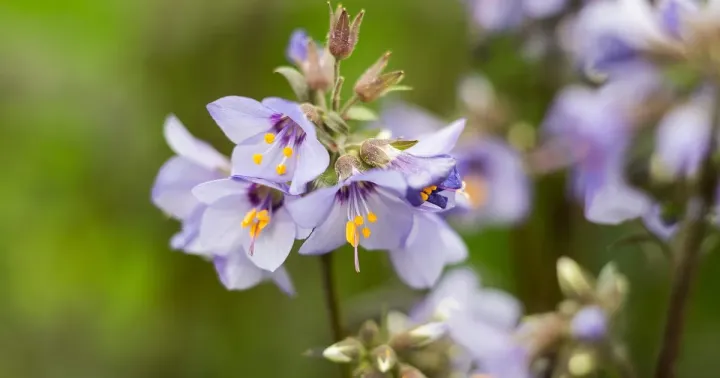
Description
Sowing dates
Polemonium yezoense seeds are typically sown in early spring or late autumn to allow for natural stratification, which enhances overall germination rates.
The seeds should be planted at a shallow depth of 1-2 centimeters, as they are small and sensitive to deep burial, requiring light for optimal sprouting.
Maintaining a row spacing of 45-60 centimeters is recommended for mechanical weeding and to ensure adequate air circulation between individual plants.
Uniformity in sowing depth and density is crucial, with a recommended target density of 10-12 plants per linear meter to maximize the yield potential.
In the first year, growth is slow, so keeping the seedbed free from competing weeds is essential for the crop to establish a robust root system.
Growing requirements
This species thrives in well-drained, fertile soils with a preference for slightly acidic to neutral pH levels, ensuring optimal nutrient availability.
It displays remarkable cold hardiness, making it suitable for cultivation in regions with harsh winters where more sensitive medicinal herbs might fail.
The plant requires full sun to partial shade; while it is adaptable, maximizing sunlight exposure typically results in better development of the root mass.
High soil moisture is necessary during the active growth phases in spring, yet the crop remains susceptible to rot in waterlogged conditions.
Soil aeration is a critical factor, and incorporating organic matter prior to planting helps maintain the structure needed for deep root penetration.
Yield
Commercial harvesting of the roots is most productive starting in the second or third year, as the plant accumulates active saponins over time.
Average yields of dry roots range from 15 to 25 quintals per hectare when applying balanced fertilization programs and proper weed management.
The aerial parts of the plant, including leaves and flowering stems, can also be harvested as secondary biomass for medicinal extract production.
Regular cultivation of the inter-row spaces helps stimulate soil microbial activity, which positively influences the overall vigor and productivity of the crop.
Monitoring the plant's development throughout the season is vital to determine the exact time for harvest to maximize the concentration of pharmacological compounds.
Main diseases and pests
Root rot caused by stagnant water is the most common threat, highlighting the necessity of proper site selection and drainage management on agricultural fields.
Leaf-feeding insects and aphids can cause damage during dry spells, which may require integrated pest management strategies to protect the leaf area.
Preventative measures against soil-borne pests are recommended before sowing to ensure high seedling survival rates and even stand density.
Crop rotation is fundamental to prevent the buildup of pathogens in the soil, which is a common risk in long-term medicinal herb production.
Utilizing certified, disease-free seed stock significantly reduces the incidence of fungal and bacterial infections during the early stages of plant growth.
Harvesting
Harvesting usually takes place in late autumn when the senescence of the aerial parts signals that the nutrients have been translocated into the roots.
Mechanical harvesting using potato diggers is effective, provided the depth is adjusted to avoid damaging the taproots during extraction from the soil.
After extraction, the roots must be thoroughly cleaned of dirt and debris before being dried in specialized dehydration chambers with precise temperature controls.
Drying temperatures should be capped at 60 degrees Celsius to prevent the degradation of heat-sensitive compounds and essential oils within the roots.
The final product should be stored in ventilated, moisture-proof containers to maintain its pharmacological potency for the duration of the supply chain.