
Golden bristle grass
Setaria sphacelata (Schumach.) Stapf & C. E. Hubb. var. anceps (Stapf) Veldkamp
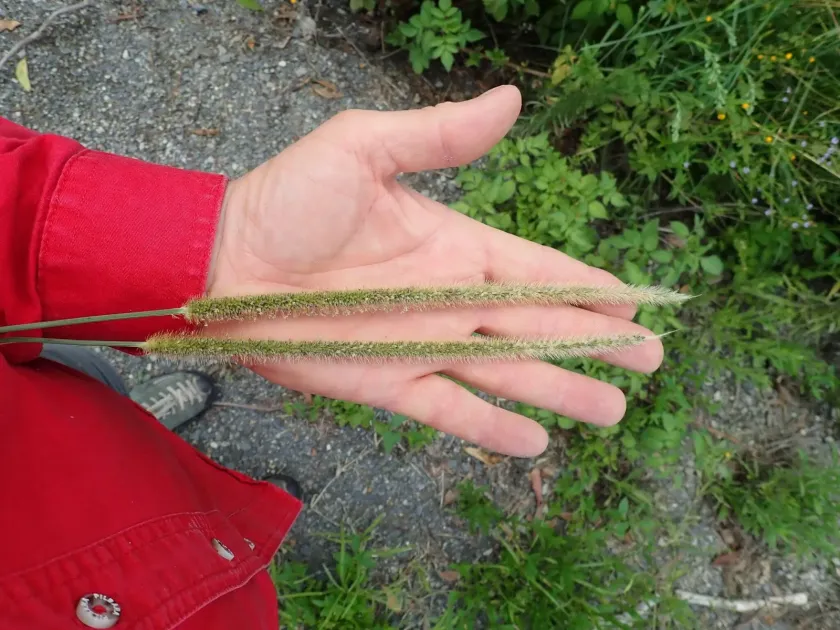
Description
Sowing dates
Setaria sphacelata is a robust perennial grass belonging to the Poaceae family. It is widely recognized in subtropical regions for its high biomass production and adaptability. Sowing is typically performed at the onset of the rainy season to ensure sufficient moisture for seedling establishment.
The seeds should be sown shallowly, at a depth of 1 to 2 centimeters, due to their small size. A finely prepared seedbed is essential to ensure that the seeds are not buried too deeply, which would inhibit germination.
When sowing in rows, a spacing of 30 to 50 centimeters is recommended to allow for adequate ventilation and root development. This spacing also facilitates mechanical weeding, which is vital during the initial slow-growth stage of the grass.
Post-sowing rolling is a critical practice for this species. It creates good soil-to-seed contact, facilitating water uptake from the soil capillaries and significantly improving the overall percentage of seed emergence.
In areas with erratic rainfall, supplementary irrigation may be necessary during the first few weeks after sowing. Once established, the root system is vigorous enough to handle periods of moderate drought.
Growing requirements
Golden bristle grass thrives in full sunlight. Shaded conditions lead to reduced tiller formation and significantly lower yields, making the selection of open fields essential for productive cultivation.
It prefers deep, fertile, and well-drained loam soils. While it exhibits tolerance to a range of soil pH levels, the plant performs optimally in slightly acidic to neutral soil environments, avoiding waterlogged conditions.
The climate requirement is primarily tropical or subtropical, with optimal temperatures between 20 and 30 degrees Celsius. It does not tolerate prolonged frost, which limits its perennial growth range to warmer climates.
Adequate moisture is required for high productivity, though the species is notably resilient. It responds exceptionally well to nitrogen fertilization, which should be applied strategically after each harvest to stimulate rapid regrowth.
Proper soil management, including drainage improvement, is necessary to prevent the buildup of stagnant water. The plant's deep root system helps stabilize soil structure, making it beneficial for erosion control.
Yield
The potential biomass yield of Setaria sphacelata is one of its primary agricultural advantages. Under intensive management, it can produce between 40 and 60 tons of fresh weight per hectare annually across multiple cuts.
Nutritional value is highest during the vegetative stage. Regular cutting or controlled grazing is necessary to prevent the grass from reaching the reproductive stage, where the stem-to-leaf ratio increases, and digestibility decreases.
This grass is highly suitable for both cut-and-carry systems and rotational grazing. Its ability to regrow rapidly after defoliation ensures a steady supply of high-quality fodder for livestock throughout the growing season.
Longevity is a hallmark of this species; a well-maintained stand can remain productive for 5 to 7 years. Yields remain stable as long as soil fertility is replenished through timely application of nutrients.
Seed production requires careful monitoring, as maturation is often asynchronous across the panicle. Farmers often harvest seeds when the majority are mature to balance quantity and quality while minimizing field losses.
Main diseases and pests
Rust fungi represent the most significant pathological threat to this grass, particularly in humid environments where air circulation is poor. Frequent monitoring for early signs of infection is necessary for successful management.
Insects like caterpillars and certain beetles can cause localized damage to the leaves and growing points. Integrated pest management strategies, including the use of resistant varieties, are effective in minimizing these impacts.
Poor soil drainage can lead to root rot, which significantly stunts growth and creates gaps in the pasture. Maintaining proper soil moisture levels is the most effective preventive measure against such diseases.
Weed competition is particularly challenging during the establishment phase. Once the stand is fully developed, it is usually aggressive enough to outcompete most weeds, but initial protection is strictly required.
- Rust fungal infections
- Root rot from overwatering
- Leaf-eating insect pests
- Competition from aggressive weeds
Harvesting
Harvesting for forage should occur just before the flowering stage to ensure the highest protein content and digestibility. Delaying the harvest results in higher fiber content and lower intake by livestock.
A stubble height of at least 10 to 15 centimeters must be maintained during cutting. This preserves the basal buds and photosynthetic tissue, which are critical for the plant to recover and produce the next harvest quickly.
When making hay, mechanical tedding is recommended to reduce moisture content quickly. Rapid drying is essential to retain color, vitamins, and overall palatability of the final product.
For seed collection, the panicles are harvested once they show signs of drying and maturity. Post-harvest, the seeds must be cleaned of chaff and dried to a moisture content of 12-14 percent for safe storage.
Storage should take place in a cool, dry, and rodent-proof environment. Proper packaging prevents moisture absorption, ensuring that the seeds maintain high viability for the next planting cycle.