
Semele
Semele
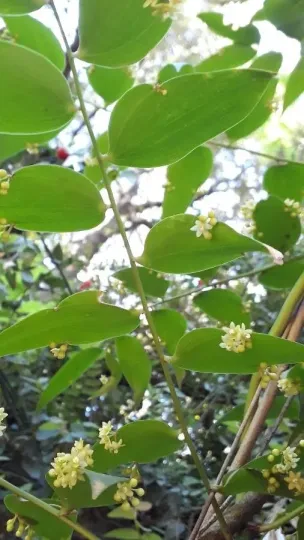
Description
Growing requirements
Semele is a genus of climbing evergreen shrubs that belongs to the Asparagaceae family. These plants are native to the Mediterranean region and the Canary Islands, where they grow in temperate, shaded environments.
The cultivation of Semele requires well-drained, nutrient-rich soil with a slightly acidic to neutral pH level. It thrives best in partial shade, as direct sunlight can easily damage the delicate phylloclades of the plant.
Environmental requirements include a consistent level of humidity and moderate temperatures throughout the year. It is important to avoid placing the plant in drafty areas or locations with extreme temperature fluctuations.
Agrotechnical practices involve providing structural supports, such as trellises or frames, to facilitate the climbing habit of the plant. Regular, moderate watering is necessary, ensuring the soil substrate does not become waterlogged.
Economically, Semele is primarily valued as an ornamental plant. Due to its unique morphology and evergreen nature, it is frequently used in the design of interior botanical gardens, conservatories, and atrium landscaping.
Main diseases and pests
Common pests affecting Semele include scale insects and mealybugs, which thrive on the sap of the plant. Regular monitoring of the foliage and stems is essential for early detection and manual removal of these pests.
Root rot is the most frequent disease caused by improper watering practices and poor drainage. Maintaining a healthy balance of moisture and ensuring aeration of the growing medium is critical for disease prevention.
Spider mites can become a significant issue in low-humidity environments. To prevent infestations, frequent misting of the plant and maintaining proper room ventilation are recommended cultural practices.
Fungal infections can develop if the plant is kept in conditions with stagnant air and high humidity. Proper spacing between plants and good air circulation are key strategies to minimize these risks.
Nutritional deficiencies, leading to chlorosis or discoloration, should be addressed by applying balanced fertilizers during the growing season. It is recommended to use specialized formulas to ensure the plant receives essential micronutrients.