
Marula
Sclerocarya birrea (A. Rich.) Hochst.
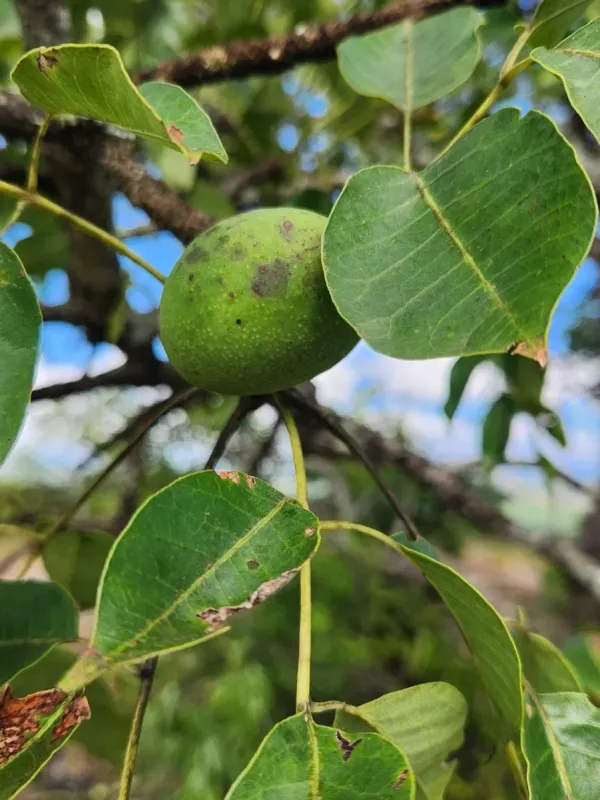
Description
Sowing dates
The propagation of Sclerocarya birrea is typically achieved through seeds, although the hard endocarp requires pretreatment to enhance germination rates.
Nursery planting is recommended, using well-draining potting soil and maintaining a warm, humid environment to stimulate seedling development.
Seedlings should be transplanted into the field at the beginning of the rainy season to ensure they establish a robust root system before the dry period.
Planting density depends on the orchard management goals, with sufficient spacing required to accommodate the wide, spreading canopy of mature trees.
Vegetative propagation techniques, such as budding or grafting, are increasingly used to propagate high-yielding clones and ensure genetic uniformity.
Growing requirements
The marula tree belongs to the Anacardiaceae family and is native to the savanna regions of sub-Saharan Africa, where it thrives in warm climates.
It is a sun-loving species that requires full exposure to sunlight to achieve optimal growth and fruit production throughout the growing season.
The species is highly adaptable to various soil types, including sandy and loamy soils, provided they offer excellent drainage to prevent root rot.
Marula is famously drought-tolerant, capable of surviving in regions with low and irregular rainfall patterns that would stress other fruit crops.
Protection from severe frost is essential, as the species is highly sensitive to cold temperatures, which can cause significant damage to young tissues.
Yield
A single mature marula tree can produce up to 500 kilograms of fruit per season, providing a substantial economic output for smallholders.
The fruits are highly valued for their high vitamin C content, which is significantly higher than that found in common citrus fruits.
Beyond the fruit, the kernels inside the hard seed are a primary source of marula oil, widely utilized in the premium cosmetic and skincare industry.
The tree also supports traditional livelihoods through the production of juices, jams, and fermented beverages like the famous marula-based liqueurs.
Increasing global demand for unique plant-based ingredients is driving interest in sustainable plantation practices for this versatile species.
Main diseases and pests
Pest pressure often comes from specialized insects, such as seed-boring beetles, which can damage the kernels and reduce oil extraction yields.
Fungal pathogens may emerge in orchards if humidity levels remain excessive or if the tree is stressed by poor soil conditions and lack of ventilation.
Wildlife, particularly elephants, represent a major threat to bark and young branches, necessitating protective fencing around young orchard plots.
Parasitic plants like mistletoe can weaken mature trees over time, requiring periodic pruning and manual removal to maintain the tree's health.
Regular orchard monitoring is critical to detect early signs of infestation and prevent the spread of diseases within the cultivated population.
Harvesting
Harvesting is unique because it relies on gathering ripe fruits that have fallen naturally to the ground, indicating peak sugar content.
Manual labor is the standard method for fruit collection, requiring teams to be mobilized quickly as the fruit ferments rapidly after falling.
Efficient logistics are necessary to ensure that the fruit reaches processing facilities before degradation of the pulp quality occurs.
The extraction of kernels from the stone is a labor-intensive but vital step, as the oil-rich seeds represent a significant portion of the tree's total value.
Post-harvest handling involves cleaning and drying the pits to ensure long-term stability and to prevent microbial spoilage of the valuable seeds.