
Scilla luciliae
Scilla luciliae
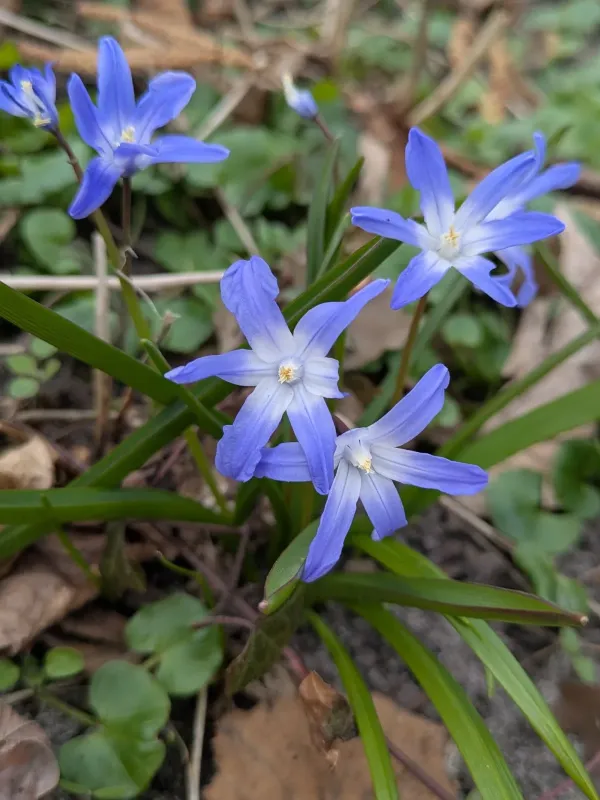
Description
Sowing dates
Scilla luciliae bulbs should be planted in late summer or early autumn to allow the root system to establish thoroughly before the soil freezes. This timing is critical for ensuring a vigorous bloom in the following spring season.
Plant the bulbs at a depth of approximately 5–8 centimeters, which provides sufficient insulation from temperature fluctuations. Proper planting depth also prevents the bulbs from being heaved out of the soil during freeze-thaw cycles.
Spacing is essential for the healthy development of clusters; it is recommended to keep an interval of 10–15 centimeters between individual bulbs. This allows for natural multiplication and prevents overcrowding over several years.
Incorporating organic compost into the planting site enhances the soil structure and provides a slow-release nutrient source, which is beneficial for bulb health during the initial growth phase.
After planting, ensure the site is watered to settle the soil around the bulbs. However, avoid waterlogging the area, as moist but well-drained conditions are the standard requirement for successful bulb establishment.
Growing requirements
As a member of the Asparagaceae family, Scilla luciliae thrives in sunny or semi-shaded environments. It is highly valued in landscape architecture for its ability to naturalize in woodlands or lawns.
The ideal soil for this species should be light, well-draining, and rich in humus. While the plant can adapt to various soil types, avoiding heavy clay is necessary to prevent the risks associated with poor drainage and fungal decay.
Regarding climate, this plant is exceptionally hardy and requires a distinct period of winter chilling to trigger flowering. It performs reliably in temperate regions without the need for additional winter protection.
Maintenance during the growing season is minimal but includes keeping the area free of competitive weeds. Light hoeing of the soil surface helps improve air circulation around the emergent shoots.
Once the flowering period concludes and the foliage begins to wither, it is important to allow the leaves to fully die back naturally. This process ensures that nutrients are redistributed back into the bulb for next year's growth cycle.
Main diseases and pests
Fungal diseases such as botrytis or basal rot are the primary threats to Scilla luciliae, especially when planted in soil that lacks sufficient drainage or remains excessively damp during the dormancy phase.
Slugs and snails can cause cosmetic and physiological damage to the young foliage in early spring. Targeted pest control methods, such as organic baits, can effectively mitigate damage in susceptible garden areas.
Rodents such as voles can occasionally consume the bulbs, posing a challenge in rural or woodland settings. Utilizing protective wire mesh baskets during planting can act as a physical barrier against these pests.
Viral infections can affect the vitality of the plant, often resulting in deformed growth or mosaic patterns on the leaves. Infected specimens should be carefully removed to maintain the health of the entire collection.
Integrated pest management, including crop rotation and the selection of disease-free planting material, is fundamental to maintaining a thriving and healthy display of Scilla luciliae over the long term.