
Scilla hybrids
Scilla hybrids
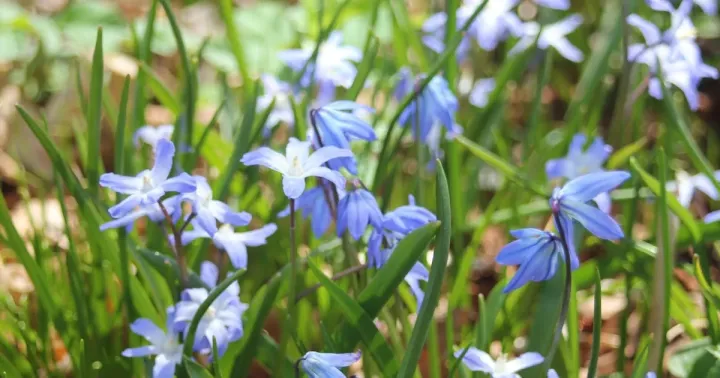
Description
Sowing dates
The planting of Scilla hybrids should ideally take place in late summer or early autumn. Establishing the bulbs well before the ground freezes is essential for the root system to develop, ensuring vigorous growth and healthy blooms during the following spring season.
While spring planting is technically possible, it is generally discouraged as the bulbs may not receive sufficient cooling periods or time to establish before temperatures rise. Autumn remains the optimal window to ensure the natural life cycle of the bulb is respected.
Bulbs should be planted at a depth equivalent to two or three times their diameter. Proper depth provides insulation during harsh winter temperatures and ensures that the shoot has enough physical support as it emerges through the soil in the early spring.
When arranging the planting site, spacing should be approximately 5 to 10 centimeters apart. Proper spacing is crucial for air circulation, which helps reduce the humidity around the leaf base and prevents the development of fungal spores during cool spring days.
After planting, it is recommended to apply a layer of organic mulch. This simple agrotechnical practice helps maintain consistent soil moisture levels, suppresses weed growth, and protects the soil structure from compaction caused by rain or snow melt.
Growing requirements
Scilla hybrids belong to the Asparagaceae family and are highly regarded for their resilience as perennial bulbous plants. These cultivars are bred for improved aesthetic qualities, including larger flowers and extended bloom times compared to their wild counterparts.
The ideal environment for Scilla hybrids includes sites with dappled shade or full sun. They perform exceptionally well under the canopy of deciduous trees, where they receive ample sunlight before the leaves fully emerge, mimicking their natural forest-edge habitat.
Soil conditions must be well-drained and rich in organic matter. While these plants are adaptable, they strictly require a non-compacted medium to prevent waterlogging, which is a major contributor to bulb rot and poor development of the root system.
Climatic requirements involve a period of winter dormancy characterized by cold temperatures, which is necessary to initiate flowering. Once established, they are quite hardy and can survive significant temperature drops provided they have a sufficient layer of soil cover.
In terms of moisture management, Scilla requires consistent hydration during the active growth phase in early spring. However, once the foliage begins to senescence or yellow, the water requirements decrease as the plant enters its natural dormant phase.
Main diseases and pests
Fungal diseases, particularly grey mould (Botrytis) and various root rots, represent the most significant threat to Scilla hybrids. These conditions are usually triggered by poor drainage or overly stagnant air conditions in the cultivation area.
Small mammals and rodents, such as mice or voles, can pose a challenge by feeding on the energy-rich bulbs during the winter months. Using wire mesh baskets or protective barriers during planting can significantly reduce damage to the bulb stock.
Slugs and snails can also affect the early stages of growth by grazing on young, succulent leaves. Managing these pests involves maintaining a clean garden environment and removing debris where they might hide during the daylight hours.
Bulb mites can sometimes infest stressed or damaged bulbs, leading to overall plant decline. To mitigate this, ensure that only healthy, firm bulbs are selected for planting and that they are handled carefully to avoid physical wounds that could become entry points for infection.
Integrated pest management, including regular inspection of the beds and the prompt removal of any showing signs of infection or decay, is essential. Keeping the soil profile healthy through balanced organic fertilization will support the plant's natural resistance to diseases.