
Sciaphila
Sciaphila
Sciaphila is a genus of mycoheterotrophic plants belonging to the Triuridaceae family. These plants are biologically fascinating because they have completely lost the ability to perform photosynthesis, depending entirely on fungi for their survival.
What the section contains

Sciaphila
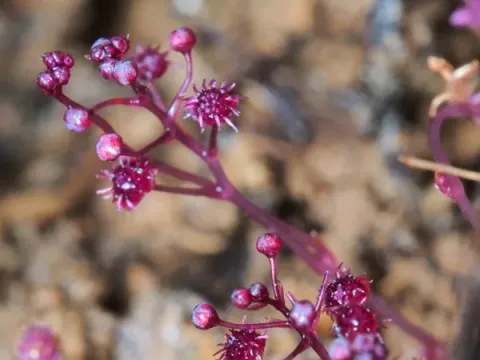
The plants in this genus lack chlorophyll, which gives them their characteristic pale, translucent appearance. They obtain all necessary carbon and nutrients by parasitizing fungal networks that are usually associated with the roots of photosynthetic plants.
The natural habitat of Sciaphila includes humid tropical and subtropical forests across Asia, Australia, and parts of the Americas. They strictly require shaded environments with a deep layer of leaf litter to sustain the fungi they rely upon.
Botanically, they are small and delicate, often featuring scale-like leaves and tiny flowers arranged in racemes or corymbs. Because they lack chlorophyll, they are often difficult to spot in the dense forest understory, appearing only when conditions are right.
There is no commercial agricultural cultivation for Sciaphila, as its life cycle is dependent on highly specific ecological interactions that cannot be replicated in traditional farming. Their importance is purely ecological, serving as indicators of healthy, undisturbed forest soil ecosystems.