
Schrebera arborea
Schrebera arborea
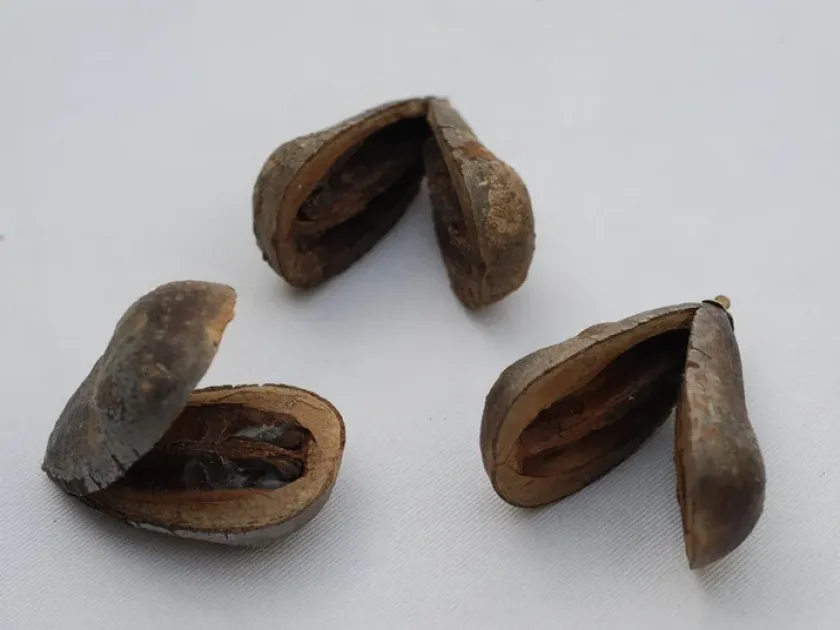
Description
Growing requirements
Schrebera arborea is a tree species belonging to the Oleaceae family. It is a robust tropical tree typically found in natural forest ecosystems, characterized by its stature and ecological adaptability.
The native habitat of this species covers tropical regions of Africa, where it thrives in environments characterized by high annual temperatures and distinct wet and dry seasons.
The species requires fertile, deep soil profiles that provide sufficient moisture retention while maintaining proper aeration for healthy root development.
Climate preferences include tropical conditions where the species can benefit from intense solar radiation. Young plants are relatively shade-tolerant but flourish when exposed to more direct light as they mature.
Cultivation practices involve site selection with adequate soil depth and the implementation of maintenance schedules to ensure trees are not overly competing with invasive ground flora.
Yield
The primary economic value of Schrebera arborea lies in its timber production. The wood is recognized for its versatility, making it a reliable material for construction and carpentry.
Industrial yield is determined by the length of the rotation cycle, with managed forestry operations focusing on achieving optimal trunk diameter and straightness.
In addition to timber, some traditional uses of the tree include extracts derived from leaves and bark, which have historical significance in regional economies.
Sustainable harvesting techniques are essential to maintain the productivity of plantation sites and ensure the long-term ecological balance of the cultivated areas.
Efficient management of plantation density allows for better wood quality, as it discourages excessive branching and promotes vertical growth essential for high-grade logs.
Main diseases and pests
The major threats to Schrebera arborea include various wood-boring insects that can significantly degrade timber quality if left unchecked.
Fungal infections of the bark and root systems are prevalent in environments with high humidity levels and poor air circulation within the forest canopy.
Proactive management of these threats involves systematic inspections and the removal of compromised trees to prevent the spread of pathogens throughout the stand.
Integrated pest management strategies are recommended, focusing on maintaining tree vigor through appropriate nutrient management and minimizing physical damage during maintenance.
Environmental stressors such as extreme flooding can also weaken the root system, making the trees more susceptible to secondary infections and opportunistic pests.