
Schrebera alata
Schrebera alata
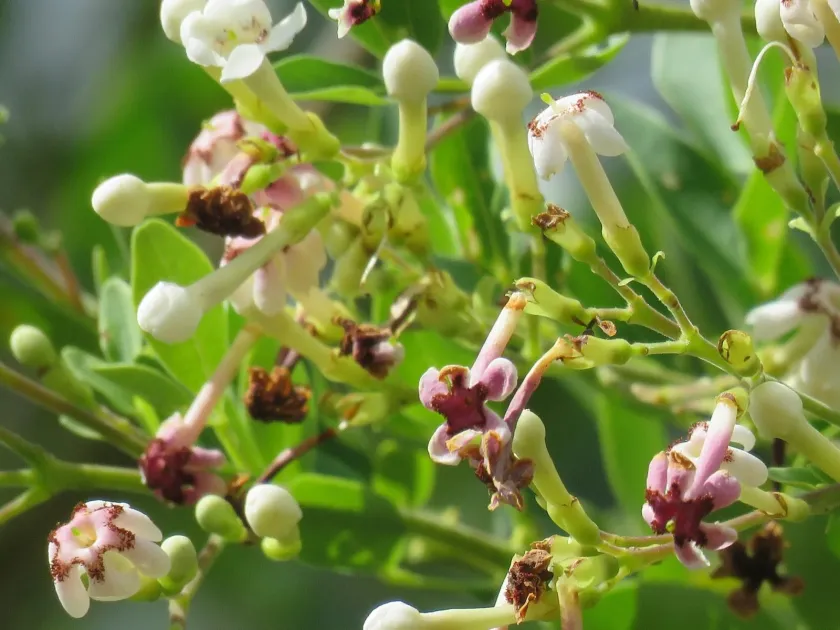
Description
Growing requirements
Schrebera alata is a woody plant species belonging to the Oleaceae family. Known for its distinct foliage and robust growth, it is native to the diverse landscapes of Eastern and Southern Africa, where it thrives in wooded grasslands and mountain forests.
This species is highly adapted to tropical climates characterized by distinct wet and dry seasons. It requires consistent warmth and bright, indirect light to develop its full canopy potential. In its native habitat, it often acts as a pioneer species in forest regeneration.
Regarding soil preferences, it favors deep, well-drained loamy soils. The presence of organic matter significantly boosts the development of the root system, which is crucial for the tree's resilience during temporary dry spells common in its native range.
Agricultural management of the species involves periodic weeding around the base and mulching to conserve soil moisture. Young specimens require careful protection from herbivores and strong, desiccating winds to maintain a straight and healthy trunk.
From an economic standpoint, the wood of Schrebera alata is utilized for small-scale timber production and craft-making. Its durable nature makes it a traditional resource for local communities, while its presence supports the local fauna as a food and shelter source.
Main diseases and pests
The health of Schrebera alata populations can be significantly impacted by fungal leaf spot diseases. These pathogens spread quickly in high-humidity environments, causing premature leaf drop and reducing the tree's overall photosynthetic capacity.
Wood-boring insects represent a significant biological threat to both young saplings and mature trees. These pests compromise the structural integrity of the wood, often creating entry points for secondary infections or physical decay.
Soil-borne pathogens leading to root rot are frequently encountered in areas with poor drainage or stagnant water. Ensuring optimal soil structure and effective water management is paramount for preventing these fatal conditions.
Environmental stress, particularly extended droughts followed by heavy floods, can weaken the immune system of the tree, making it more susceptible to opportunistic diseases. Proactive monitoring during seasonal transitions is highly recommended.
Sustainable cultivation requires a balanced approach to pest management, focusing on cultural practices rather than heavy chemical usage. Maintaining adequate spacing between trees helps reduce the transmission risk of pests and diseases across the site.